
Serengeti Safari Guide- What to Expect
Serengeti Safari Guide: What to Expect
The Serengeti is one of Africa’s most iconic safari destinations, and for first-time travelers, it promises an unforgettable wildlife experience. This Serengeti Safari Guide: What to Expect provides everything you need to know before your visit, including wildlife highlights, game drives, accommodations, best times to visit, and practical tips for a smooth safari adventure.
Wildlife You Can Expect on a Serengeti Safari
The Serengeti is famous for its abundant wildlife and diverse ecosystems. Visitors can expect to see:
- Big Five: Lion, leopard, elephant, buffalo, and rhinoceros
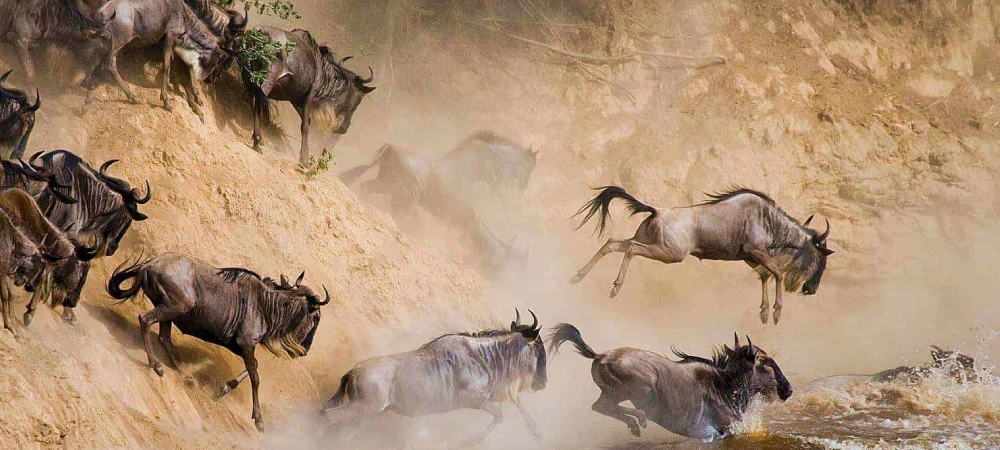
- Great Migration: Millions of wildebeest and zebras moving across the plains (best between June and October for northern Serengeti)
- Other species: Cheetahs, hippos, giraffes, hyenas, and countless antelope species
- Birdlife: Flamingos, pelicans, and a variety of raptors
Wildlife sightings are generally excellent year-round, but the dry season (June–October) offers the best visibility as animals gather near water sources.
Typical Serengeti Safari Itinerary
A standard Serengeti safari includes morning and afternoon game drives, guided by experienced local guides. Typical activities include:
- Morning Game Drive: Early departure to catch predators and wildlife activity at sunrise
- Lunch Break at Lodge or Picnic Spot: Relax while enjoying scenic views
- Afternoon Game Drive: Explore different parts of the park for more wildlife encounters
- Optional Night Drive: Available in select areas for nocturnal wildlife spotting
Most first-time visitors stay between 3–5 days to get a complete Serengeti experience, often combined with Ngorongoro Crater or other northern circuit parks.
Serengeti Safari Accommodation Options
The Serengeti offers a wide range of accommodations for different budgets:
- Luxury Lodges and Camps: High-end tents or lodges with full amenities, gourmet meals, and prime wildlife locations
- Mid-Range Lodges: Comfortable accommodations with private bathrooms, good meals, and scenic views
- Budget Campsites: Simple tented camps or community-run lodges for travelers looking for an affordable, authentic safari
Choosing the right lodge or camp depends on your budget, comfort level, and how close you want to be to wildlife.
Best Time to Visit the Serengeti
- June to October: Dry season and peak safari time; best wildlife viewing and classic landscape photography
- January to March: Green season with the Great Migration calving period in southern Serengeti
- November to December: Short rains, fewer tourists, and lush scenery
- April to May: Long rains; lower prices and fewer visitors, though some roads may be less accessible
For first-time visitors, June to October is generally the most recommended period.
What to Pack for a Serengeti Safari
- Neutral-colored clothing for game drives
- Warm layers for early mornings and evenings
- Hat, sunglasses, and sunscreen
- Comfortable walking shoes
- Camera and binoculars
- Travel documents and personal medication
Health, Safety, and Travel Tips
- Malaria prevention is recommended
- Travel insurance is essential
- Listen to your guide during game drives for safety
- Respect wildlife and local communities
Why Choose a Serengeti Safari with Kiliholidays Tour and Safari?
At Kiliholidays Tour and Safari, we design personalized Serengeti itineraries for first-time visitors. Our expert guides ensure you see the best wildlife, visit prime locations, and enjoy authentic experiences with comfort and safety in mind.
Contact us for inquiries and custom safari planning:
- Call: +689 500 614
- WhatsApp: +784 673 777
- Email: info@kiliholidays.com/ kiliholidaystours@gmail.com
Request a quote using the form below, and our safari specialists will get back to you with a personalized Serengeti safari plan.