
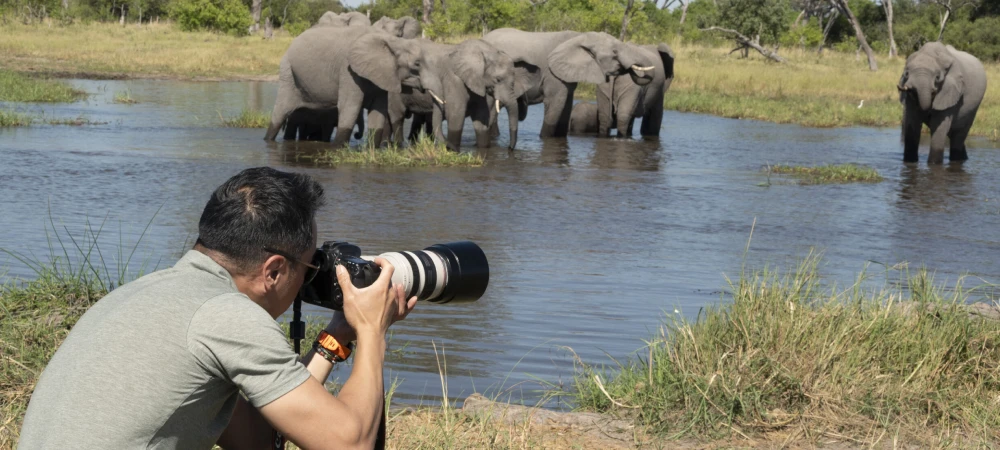
Tanzania Wildlife Safari Photography Tips
A Tanzania wildlife safari offers endless opportunities for breathtaking photography. From dramatic sunsets over the Serengeti to close-up shots of lions, elephants, and giraffes, capturing the perfect safari photo requires preparation, patience, and the right techniques.
In this guide, Kiliholidays Tour and Safari shares essential wildlife photography tips for Tanzania safaris, helping both beginners and experienced photographers make the most of every moment.
Essential Gear
Camera Options
Choosing the right camera can make a huge difference:
- DSLR or Mirrorless Cameras: Offer flexibility and professional image quality
- Bridge Cameras: Ideal for travelers seeking zoom without heavy lenses
- Smartphones: New models perform well, especially with wildlife photography apps
Additionally, always carry extra batteries and memory cards, as safaris can last long hours.
Lenses and Accessories
- Telephoto lens (200–400mm) for close-up wildlife shots
- Wide-angle lens for landscapes and sunsets
- Tripod or monopod for stability during low light or sunrise photography
By preparing versatile gear, you ensure no moment is missed.
Tanzania Wildlife Safari Photography in Tanzania
Plan Your Safari Timing
Wildlife is most active during early mornings and late afternoons. Therefore, schedule game drives during these hours for dramatic lighting and action shots.
Focus on Composition
Use techniques such as:
- Rule of thirds for balanced wildlife and landscape shots
- Leading lines to guide viewers’ eyes
- Framing animals with trees or rocks for depth
These simple adjustments elevate your photography instantly.
Capture Motion and Action
- Use fast shutter speeds for moving animals
- Try continuous shooting mode for unpredictable wildlife behavior
- Anticipate predator-prey interactions for dynamic shots
Moreover, patience is key, some of the best photos happen unexpectedly.
Respect Wildlife and Safety
Always keep a safe distance from animals. Use zoom lenses instead of approaching. Not only is this safe, but it also results in more natural wildlife behavior in your photos.
Utilize Natural Light
Golden hours, shortly after sunrise or before sunset, offer soft light and warm tones. Cloudy days can provide diffused lighting ideal for close-up wildlife portraits.
Tanzania Wildlife Safari -Shooting Landscapes and Sunsets
Tanzania’s landscapes are as captivating as its wildlife:
- Include animals in foregrounds to add scale
- Capture volcanic craters, rivers, and savannahs for dramatic shots
- Experiment with panorama shots for the expansive Serengeti or Ngorongoro landscapes
By mixing wildlife and landscapes, your safari album becomes diverse and visually striking.
Tanzania Wildlife Safari Photography-Editing and Post-Processing Tips
- Adjust exposure and contrast to enhance clarity
- Crop photos for better composition
- Use software like Lightroom or Photoshop for subtle enhancements
However, avoid over-editing to preserve natural colors and textures.
Book a Tanzania Wildlife Safari Photography
A Tanzania wildlife safari offers unmatched opportunities for photography enthusiasts. At Kiliholidays Tour and Safari, we design photography-focused itineraries, including early game drives, prime wildlife locations, and luxury or mid-range lodges with easy access to animal hotspots.
Contact us for inquiries and custom safari planning:
- Call: +689 500 614
- WhatsApp: +784 673 777
- Email: info@kiliholidays.com/ kiliholidaystours@gmail.com
Request a quote using the form below for inquiries, and our safari specialists will get back to you with a personalized Tanzania wildlife photography safari plan.