
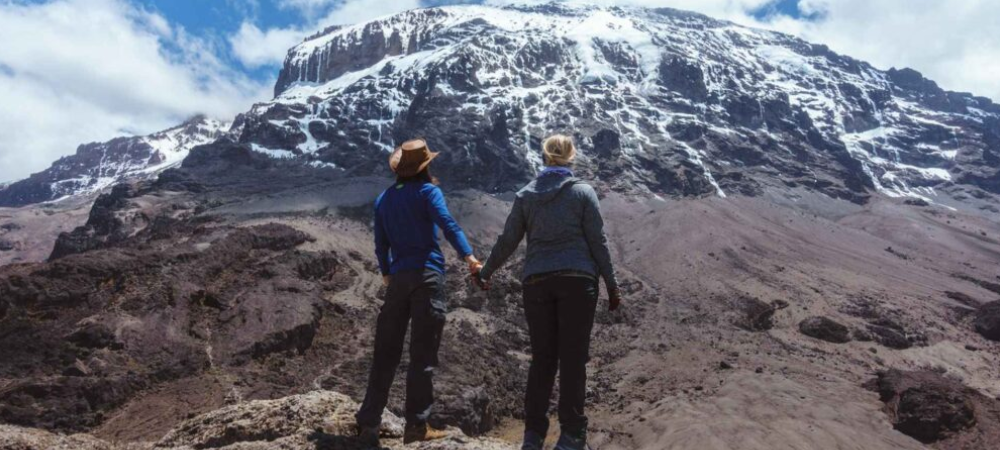
How to Prepare Physically for Kilimanjaro
Knowing how to prepare physically for Kilimanjaro is essential for anyone planning to climb Africa’s highest mountain. While Mount Kilimanjaro does not require technical climbing skills, the combination of long trekking days, steep ascents, and high altitude makes physical preparation extremely important. For first-time climbers, training the body properly improves endurance, reduces fatigue, and increases the chance of reaching Uhuru Peak safely.
Rather than focusing on speed or intense gym workouts, Kilimanjaro preparation should prioritize stamina, leg strength, balance, and recovery. With consistent training and realistic expectations, beginners can approach the climb feeling confident and well prepared.
Why Physical Preparation Matters on Kilimanjaro
Although many climbers assume that general fitness is enough, Kilimanjaro presents unique challenges. Each day involves several hours of walking while carrying a backpack, often on uneven terrain. Additionally, altitude reduces oxygen availability, which makes every movement feel more demanding.
Because of this, physical preparation helps climbers:
- Maintain steady energy levels
- Reduce joint and muscle strain
- Improve breathing efficiency
- Recover faster between trekking days
Proper training also builds mental resilience, which becomes crucial during summit night.
How Early Should You Start Training?
Ideally, beginners should begin physical preparation 8 to 12 weeks before departure. This allows gradual improvement without overtraining or injury. However, even those with less time can still benefit from structured, focused workouts.
Consistency is more important than intensity. Training a little several times per week is far more effective than irregular, high-intensity sessions.
Cardio Training for Kilimanjaro Endurance
Cardiovascular endurance is one of the most important physical requirements for Kilimanjaro. Since trekking days are long and continuous, cardio workouts should focus on steady, sustained movement.
Recommended cardio activities include:
- Brisk walking
- Hiking on trails or hills
- Stair climbing
- Cycling or elliptical training
Aim for 3–4 cardio sessions per week, starting with 30 minutes and gradually increasing to 60 minutes. Whenever possible, train at a pace where conversation is still possible, as this mirrors Kilimanjaro’s slow trekking rhythm.
Strength Training for Kilimanjaro Climbers
Strength training supports your joints and muscles during long ascents and descents. While heavy lifting is unnecessary, functional strength is essential.
Focus on exercises that strengthen:
- Legs: squats, lunges, step-ups
- Core: planks, bridges, leg raises
- Upper body: light shoulder and back exercises to support backpack weight
Two to three strength sessions per week are sufficient. Controlled movements and proper form matter more than heavy resistance.
Hiking Practice: The Most Important Training Element
Hiking practice is the best way to prepare physically for Kilimanjaro. Training hikes simulate real trekking conditions and allow your body to adapt naturally.
Effective hiking training includes:
- Walking on uneven terrain
- Gradually increasing elevation gain
- Carrying a backpack with light weight
- Using trekking poles if planned for the climb
Aim for one longer hike per week, gradually increasing duration and difficulty.
Flexibility, Recovery, and Injury Prevention
Stretching and recovery play a critical role in long-term physical preparation. Tight muscles increase fatigue and raise the risk of injury, particularly in the knees and hips.
To support recovery:
- Stretch after every workout
- Include mobility or yoga sessions weekly
- Schedule rest days
- Prioritize sleep
Recovery allows the body to rebuild stronger and adapt effectively.
Preparing Your Body for Altitude
Although training cannot fully replicate altitude, strong cardiovascular fitness helps the body cope better with reduced oxygen levels. In addition, learning to walk slowly and control breathing improves energy conservation.
Choosing routes with better acclimatization, such as Lemosho Route or Northern Circuit Route, also plays a major role in physical success.
Final Thoughts: Physical Preparation Leads to Confidence
In conclusion, understanding how to prepare physically for Kilimanjaro gives first-time climbers a major advantage. By focusing on endurance, strength, hiking practice, and recovery, climbers can approach the mountain feeling strong, capable, and confident.
Plan Your Kilimanjaro Climb with Expert Guidance
If you are preparing for your first Kilimanjaro climb, our experienced team can help you plan a safe, well-paced, and fully guided adventure, including advice on training, routes, and acclimatization.
Contact us for inquiries and custom climbing planning:
- Call: +255 689 500 614
- WhatsApp: +255 784 673 777
- Email: info@kiliholidays.com/ kiliholidaystours@gmail.com
Request a quote using the form below, and our Kilimanjaro specialists will get back to you with a personalized climbing plan.