
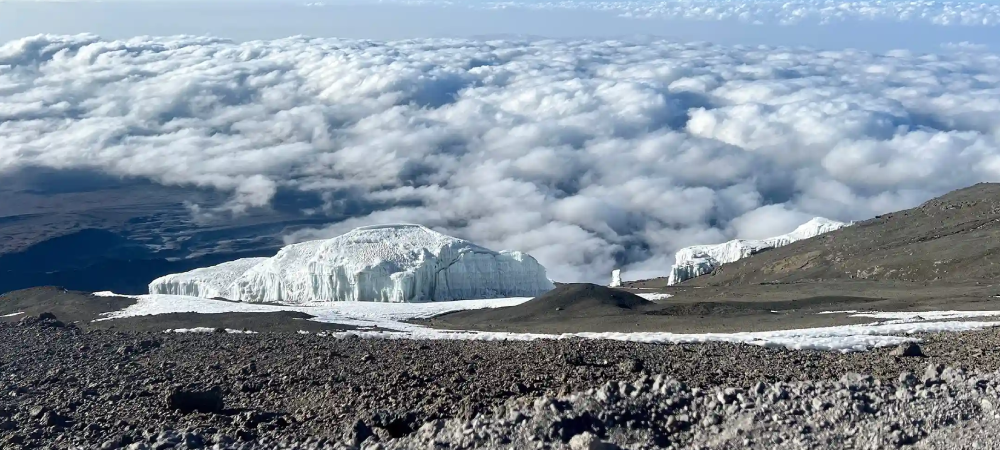
Kilimanjaro Weather by Month
Understanding Kilimanjaro weather by month is essential for planning a successful and comfortable climb. The mountain’s climate varies drastically depending on elevation and season, from tropical rainforest at the base to glaciers and icy peaks at Uhuru Peak. For first-time climbers, knowing what weather to expect each month helps with gear selection, route choice, and acclimatization planning.
Mount Kilimanjaro has two main climbing seasons—the dry season and the rainy season—and weather conditions can significantly affect the trekking experience. This guide breaks down monthly weather patterns to help you choose the ideal time for your Kilimanjaro adventure.
Kilimanjaro Weather Overview
Kilimanjaro is divided into five main climate zones:
- Cultivation Zone (800–1,800 m): Warm and tropical, used for agriculture
- Rainforest Zone (1,800–2,800 m): Humid with frequent rainfall
- Moorland Zone (2,800–4,000 m): Cooler temperatures, sparse vegetation
- Alpine Desert Zone (4,000–5,000 m): Dry, cold, with rocky terrain
- Arctic Zone (5,000–5,895 m): Freezing temperatures, snow, and glaciers
Weather changes rapidly with altitude, so climbers must prepare for rain, sun, wind, and sub-zero temperatures, often within the same day.
Kilimanjaro Weather by Month
January – February: Warm and Dry Season
These months offer clear skies, mild daytime temperatures, and minimal rainfall. They are ideal for first-time climbers seeking optimal visibility and comfortable trekking conditions. Summit attempts are safer because the trails are drier, reducing the risk of slipping.
March – May: Long Rainy Season
This is Kilimanjaro’s heaviest rainfall period, with frequent wet and muddy trails. Visibility may be poor, and summit attempts are more challenging. These months are less popular, which can be an advantage for climbers seeking solitude.
June – October: Short Dry Season
The short dry season is another excellent time to climb. Trails are generally dry, and the skies are clear, offering spectacular panoramic views. Daytime temperatures are cool, and nights are cold, especially above 4,000 m. Peak climbing months are July to September, which are popular but rewarding.
November – December: Short Rainy Season
This period experiences short, unpredictable showers, mainly in the afternoons. Trails can be muddy, and summit visibility is less consistent. Climbers who choose these months should be prepared for wet conditions but may enjoy fewer crowds.
Daily Weather Tips for Kilimanjaro Climbers
- Morning temperatures are usually warmer at lower altitudes; dress in layers to adjust.
- Afternoon rain showers are common during rainy months; always carry a waterproof jacket.
- Summit night is freezing year-round; bring thermal layers, gloves, and a warm hat.
- Sun exposure is strong even in cooler zones; use sunscreen and UV-protective sunglasses.
For more detailed preparation, see our Kilimanjaro Packing List (Updated Checklist).
Best Months to Climb Kilimanjaro
For first-time climbers, the best months to climb are:
- January–February: Dry, warm, and clear
- June–October: Dry, cool, with excellent summit conditions
Climbers seeking fewer crowds may consider January, February, or November, balancing weather with trail solitude.
Route Considerations by Weather
Certain Kilimanjaro routes are better suited to specific seasons:
- Lemosho Route & Northern Circuit: Offer longer acclimatization and spectacular views during dry months.
- Machame Route: Popular for both dry seasons; wet months may make steep sections slippery.
- Rongai Route: Northern approach is slightly drier during rainy months.
Choosing the right route for your preferred season can increase summit success and overall enjoyment. See our Kilimanjaro Routes Compared: Marangu vs Machame vs Lemosho guide for more details.
Final Thoughts: Prepare for All Conditions
No matter when you climb, Kilimanjaro’s weather can change rapidly. Understanding monthly patterns, daily fluctuations, and altitude effects helps you pack correctly, pace yourself, and plan your climb safely. Preparing for all conditions ensures a more comfortable and rewarding Kilimanjaro experience.
Plan Your Kilimanjaro Climb with Expert Guidance
If you are planning a first-time Kilimanjaro climb, our team can help you choose the best month, route, and itinerary to match your experience level and goals.
Contact us for inquiries and custom climbing planning:
- Call: +255 689 500 614
- WhatsApp: +255 784 673 777
- Email: info@kiliholidays.com/ kiliholidaystours@gmail.com
Request a quote using the form below, and our Kilimanjaro specialists will provide a personalized plan based on your preferred month and route.