
Kilimanjaro Gear Guide: What You Really Need
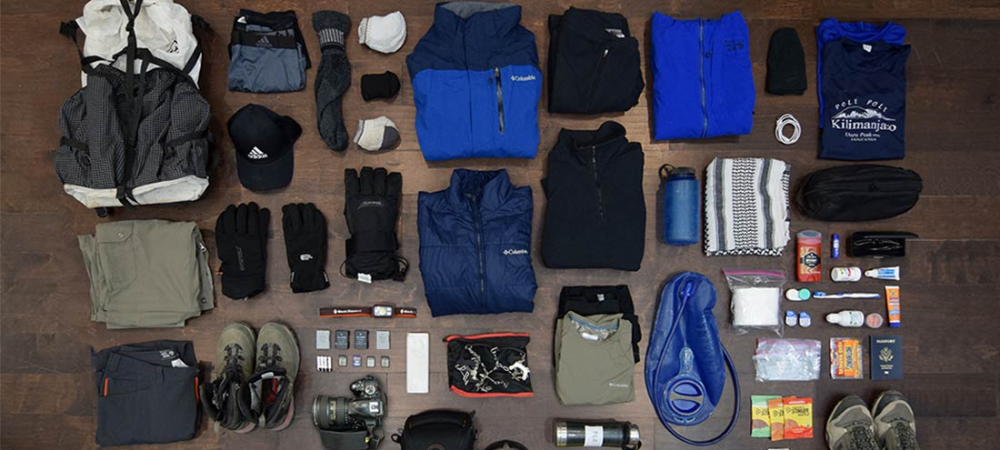
Climbing Mount Kilimanjaro is a once-in-a-lifetime adventure, and having the right gear is crucial for a comfortable and safe trek. Kilimanjaro Gear Guide: What You Really Need For first-time climbers, knowing exactly what to pack can reduce stress, prevent injuries, and help you focus on the experience rather than discomfort.
This Kilimanjaro gear guide explains what you really need,from clothing and footwear to personal itemswhile avoiding unnecessary extras that weigh you down.
Kilimanjaro Gear Guide: What You Really Need-Clothing Essentials for Kilimanjaro
The key to Kilimanjaro clothing is layering, because temperatures change dramatically from the rainforest base to the icy summit.
- Base Layers: Moisture-wicking thermal shirts and leggings keep you dry and warm
- Mid Layers: Fleece or insulated jackets for extra warmth
- Outer Layers: Waterproof and windproof jacket and pants
- Trekking Pants & Shorts: Lightweight, breathable, and quick-drying
- Gloves: Light gloves for trekking, insulated gloves for summit night
- Hats: Sun hat for daytime, warm beanie for cold nights
- Socks: Merino wool for comfort and blister prevention
- Gaiters: Protect boots from snow, scree, and mud
For more details, see our full Kilimanjaro Packing List (Updated Checklist).
Footwear and Trekking Accessories
The right footwear is essential for stability and comfort.
- Hiking Boots: Waterproof, well-broken-in, and with ankle support
- Camp Shoes: Lightweight shoes or sandals for evenings at camp
- Trekking Poles: Adjustable poles help reduce knee strain and improve balance
Sleeping and Camping Gear
Most Kilimanjaro routes require camping, so your gear must keep you warm and comfortable.
- Sleeping Bag: Rated to at least -10°C for summit night
- Sleeping Mat: Lightweight and insulating
- Daypack: 30–40 liters with rain cover
- Water Bottles/Hydration System: Minimum 3 liters per day
Personal Items and Essentials
Personal items ensure comfort, hygiene, and safety:
- Headlamp with Extra Batteries: Crucial for midnight summit climbs
- Sunglasses with UV Protection: High-altitude sun is intense
- Sunscreen & Lip Balm: SPF 30+
- Personal Toiletries: Biodegradable soap, toothbrush, small towel
- First Aid Kit: Include blister pads, painkillers, and altitude sickness meds
- Snacks/Energy Bars: Quick energy during long days
- Camera or Smartphone: Capture your memories
Optional Gear for Comfort
While not essential, these items can enhance your experience:
- Hand Warmers: Useful during summit night
- Travel Pillow: Lightweight comfort at camp
- Notebook or Journal: Record your trek experience
- Entertainment: Book or cards for downtime
Kilimanjaro Gear Guide: What You Really Need-Packing Tips for Kilimanjaro
- Layer Clothing: Easily adapt to changing temperatures
- Pack Light: Keep personal gear under 15 kg
- Use Dry Bags: Protect clothes and electronics from rain and moisture
- Test Your Gear: Break in boots and test sleeping bags before the trek
Kilimanjaro Gear Guide: What You Really Need-Final Thoughts: Gear Right, Climb Smart
For first-time Kilimanjaro climbers, packing the right gear can make a huge difference. Focus on essentials, prepare for all weather conditions, and avoid overpacking. With the right equipment, you can concentrate on trekking safely and enjoying the incredible landscapes.
Plan Your Kilimanjaro Climb with Expert Support
If you are preparing for your first Kilimanjaro climb, our team can provide guidance on gear, routes, and training, ensuring a safe and enjoyable trek.
Contact us for inquiries and custom climbing planning:
- Call: +255 689 500 614
- WhatsApp: +255 784 673 777
- Email: info@kiliholidays.com/ kiliholidaystours@gmail.com
Request a quote using the form below, and our Kilimanjaro specialists will provide a personalized gear and climbing plan.