
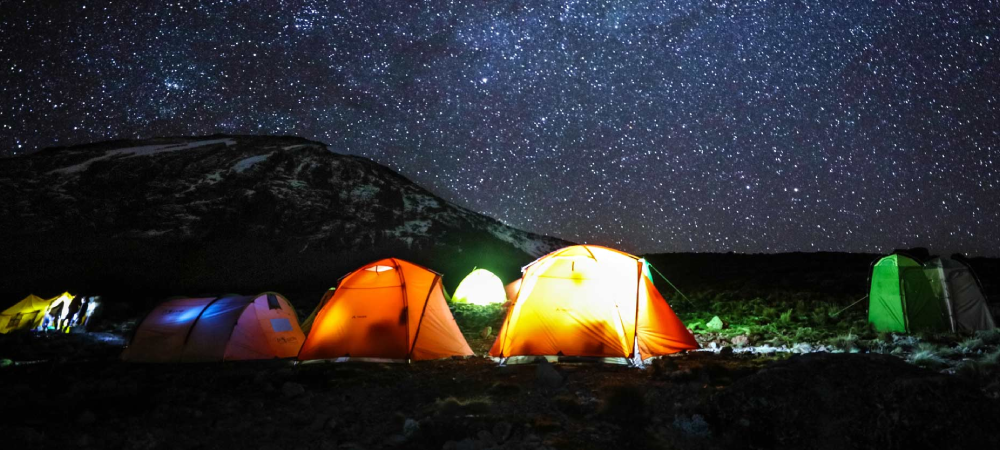
Kilimanjaro Summit Night: What to Expect
For many climbers, Kilimanjaro summit night is the most challenging and memorable part of the entire trek. Kilimanjaro Summit Night: What to Expect This is when you attempt to reach Uhuru Peak (5,895 m), the highest point in Africa. Understanding what to expect on summit night helps first-time climbers prepare mentally and physically, increasing both safety and confidence.
Summit night involves extreme cold, high altitude, darkness, and long hours of steady walking. However, with proper preparation and the right mindset, it becomes an unforgettable achievement.
When Does Summit Night Begin?
Summit night usually starts around midnight, depending on the route and weather conditions. Climbers leave their final camp—commonly Barafu Camp, Kibo Hut, or equivalent—under headlamp light. The goal is to reach the summit around sunrise, when conditions are more stable and views are at their best.
Although starting so late may seem unusual, this timing reduces exposure to strong winds and ensures safer descent conditions later in the day.
What the Trek Feels Like on Summit Night
Summit night is physically demanding due to steep slopes, loose scree, and freezing temperatures. The trail is slow and relentless, requiring patience and mental focus.
Key Challenges You Will Experience
- Cold temperatures, often well below freezing
- Thin air, making breathing more difficult
- Long trekking hours, usually 6–8 hours uphill
- Fatigue, after several days of climbing
Guides maintain a very slow pace, known as “pole pole”, to conserve energy and manage altitude.
Clothing and Gear for Summit Night
Proper gear is critical for comfort and safety during the summit attempt.
Essential items include:
- Insulated down jacket
- Thermal base layers
- Waterproof and windproof outer shell
- Insulated gloves and warm hat
- Headlamp with extra batteries
- Hiking boots with warm socks and gaiters
Layering allows you to adjust to changing temperatures as you climb and descend. For a complete breakdown, see our Kilimanjaro Gear Guide: What You Really Need.
Managing Altitude and Breathing
Altitude is the biggest challenge on summit night. Oxygen levels are significantly lower, and even small movements feel exhausting.
Tips to manage altitude:
- Take slow, deep breaths
- Avoid rushing or overtaking other climbers
- Sip water regularly, even if you don’t feel thirsty
- Inform your guide immediately if symptoms worsen
Guides continuously monitor climbers for altitude sickness symptoms and will make safety decisions if needed.
Reaching Gilman’s Point and Uhuru Peak
The first major milestone is Gilman’s Point, located on the crater rim. Reaching this point is already a huge accomplishment. After a short rest, climbers continue along the rim to Uhuru Peak.
At the summit, expect:
- Stunning sunrise views
- Snow and glaciers
- Limited time due to cold and altitude
- An overwhelming sense of achievement
Photos are taken quickly before beginning the descent.
Descent After the Summit
Descending often feels easier, but it requires focus. Legs may feel weak, and the steep scree slopes can be slippery.
Expect:
- 2–3 hours descent to the next camp
- Warm drinks and food upon arrival
- Deep physical exhaustion mixed with excitement
Rest, hydration, and nutrition are essential after the summit push.
Mental Preparation for Summit Night
Summit night is as much a mental challenge as a physical one. Staying positive, focusing on small steps, and trusting your guides make a big difference.
Helpful mental strategies:
- Break the climb into short goals
- Focus on breathing rhythm
- Remind yourself why you started
- Trust the slow pace
Final Thoughts: One Step at a Time to the Roof of Africa
Knowing what to expect on Kilimanjaro summit night helps climbers approach it with confidence and realistic expectations. While the climb is tough, the reward of standing on Africa’s highest point makes every step worthwhile.
With proper preparation, experienced guides, and determination, summit night becomes an unforgettable highlight of your Kilimanjaro journey.
Plan Your Kilimanjaro Climb with Expert Support
If you are preparing for your first Kilimanjaro climb, our local team provides experienced guides, proper acclimatization, quality gear advice, and safety-focused planning to support you on summit night.
Contact us for inquiries and custom climbing planning:
- Call: +255 689 500 614
- WhatsApp: +255 784 673 777
- Email: info@kiliholidays.com/ kiliholidaystours@gmail.com
Request a quote using the form below, and our Kilimanjaro specialists will provide a personalized climbing plan designed for summit success.