
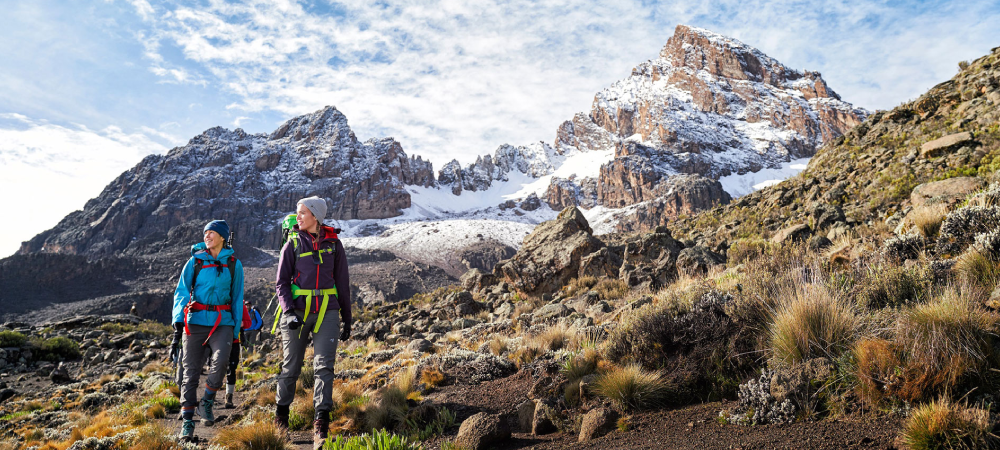
Kilimanjaro vs Mount Kenya: Which to Climb?
Kilimanjaro vs Mount Kenya. For adventure seekers in East Africa, Mount Kilimanjaro and Mount Kenya are two of the most iconic climbs. Both offer stunning landscapes, high-altitude trekking, and once-in-a-lifetime experiences. However, they differ in difficulty, accessibility, routes, and scenery. Choosing the right mountain depends on your fitness, experience level, and climbing goals.
This guide compares Kilimanjaro vs Mount Kenya to help first-time climbers make an informed decision.
Height and Geography
Mount Kilimanjaro
- Height: 5,895 meters (19,341 ft)
- Location: Tanzania
- Type: Free-standing stratovolcano
- Climate Zones: Five zones from tropical rainforest to arctic summit
Kilimanjaro is Africa’s tallest mountain, famous for its snow-capped peak rising from the plains. Its gradual ascent makes it non-technical, ideal for first-time climbers.
Mount Kenya
- Height: 5,199 meters (17,057 ft)
- Location: Kenya
- Type: Stratovolcano with multiple peaks
- Climate Zones: Forest, moorland, alpine, and glacial zones
Mount Kenya’s highest peak, Batian, is technical and requires rock climbing experience. The trekking peak Point Lenana is accessible to beginners, but the mountain is generally more rugged and remote than Kilimanjaro.
Climbing Difficulty
Kilimanjaro
Kilimanjaro is non-technical, meaning you do not need climbing equipment for the standard routes. The main challenge is altitude, making proper acclimatization essential. Routes vary in difficulty:
- Lemosho & Northern Circuit: Long, gradual, better for first-time climbers
- Marangu Route: Shorter, but less acclimatization
See our Kilimanjaro Routes Compared: Marangu vs Machame vs Lemosho guide for details.
Mount Kenya
- Point Lenana is the main trekking peak, accessible with moderate fitness and basic trekking experience
- Batian & Nelion are technical climbs requiring ropes, harnesses, and guides
- Steeper terrain and rocky trails make Mount Kenya more physically demanding than Kilimanjaro
Summit Experience and Scenery
Kilimanjaro
- Offers 360-degree panoramic views from Uhuru Peak
- Famous for glaciers, volcanic rocks, and sunrise summits
- Gradual climate zones allow for diverse ecological experiences
Mount Kenya
- Unique features like Jagged peaks, glacial valleys, and bamboo forests
- Less crowded, more remote trails
- Offers a wild and rugged wilderness experience, with fewer trekkers than Kilimanjaro
Time and Itinerary
Kilimanjaro
- Typical climbs: 5–9 days, depending on route and acclimatization
- Longer itineraries improve summit success for first-time climbers
- Camping or hut accommodation available
Mount Kenya
- Treks to Point Lenana: 2–4 days, depending on starting point and route
- More remote, fewer facilities; camping is required on most routes
- Technical climbs require extra time and preparation
Accessibility and Support
Kilimanjaro
- Well-established trekking industry with local operators, guides, porters, and cooks
- Easy airport access via Kilimanjaro International Airport
- Multiple route options for different fitness levels
Mount Kenya
- Less commercialized; fewer trekking operators
- Requires private arrangements for guides and porters
- Nearest airport: Nanyuki or Nairobi (2–3 hours drive)
Final Thoughts: Which Mountain Should You Choose?
- Kilimanjaro is ideal for first-time climbers seeking a non-technical summit, high success rates, and structured trekking support.
- Mount Kenya is better for adventurers seeking rugged wilderness, fewer crowds, and more technical challenges (for Batian & Nelion).
- If your priority is summit success with minimal technical climbing, Kilimanjaro is the recommended choice.
For beginners, combining fitness preparation, acclimatization, and a local operator significantly improves the Kilimanjaro experience.
Plan Your Kilimanjaro Climb with Expert Support
If you are preparing for your first African mountain trek, our team offers fully guided Kilimanjaro climbs, ethical porter treatment, and personalized itineraries tailored to your fitness and experience level.
Contact us for inquiries and custom climbing planning:
- Call: +255 689 500 614
- WhatsApp: +255 784 673 777
- Email: info@kiliholidays.com/ kiliholidaystours@gmail.com
Request a quote using the form below, and our Kilimanjaro specialists will provide a personalized plan to ensure a safe and rewarding summit experience.