
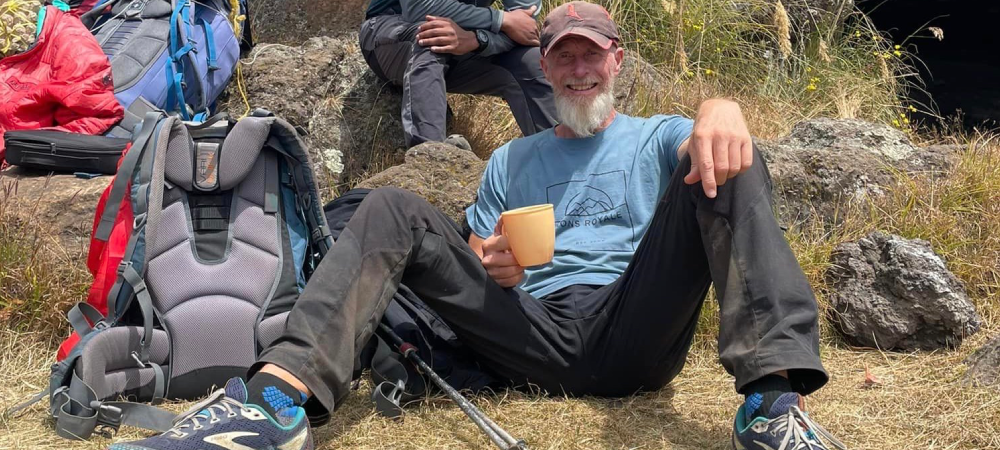
Kilimanjaro for Older Climbers: Is It Possible?
Climbing Mount Kilimanjaro is a dream for many adventurers, but older climbers often ask: “Is it safe for someone in their 50s, 60s, or beyond?” The good news is that age is not necessarily a barrier. With proper preparation, medical clearance, and pacing, older climbers can reach Uhuru Peak and enjoy the unforgettable experience.
This guide explains the factors older climbers should consider, tips for training and acclimatization, and how to maximize safety and comfort on Kilimanjaro.
Is Age a Barrier to Climbing Kilimanjaro?
Mount Kilimanjaro is a non-technical trek, meaning you do not need climbing ropes or specialized skills for the standard routes. The main challenge is altitude rather than technical climbing.
Older climbers should focus on:
- Cardiovascular fitness
- Muscle strength and endurance
- Acclimatization to high altitude
Age alone rarely prevents a successful climb, but pre-existing medical conditions may require additional precautions.
Medical Considerations for Older Climbers
Before attempting Kilimanjaro, older climbers should undergo a medical check:
- Cardiovascular screening: ECG or stress tests to ensure the heart can handle sustained exertion
- Respiratory evaluation: Check for asthma or other lung conditions
- Blood tests: Assess hemoglobin and oxygen-carrying capacity
- Consultation on medications: Ensure all prescriptions are safe for high-altitude trekking
See our full Kilimanjaro Medical Check Requirements guide for first-time climbers.
Choosing the Right Route
Selecting a route with gradual elevation gain and sufficient days for acclimatization is crucial for older climbers. Recommended options include:
- Lemosho Route (7–8 days): Gentle ascent, excellent acclimatization, high success rate
- Northern Circuit Route (8–9 days): Longest route, best for altitude adaptation
- Machame Route (6–7 days): Popular route with scenic trails; choose longer itinerary if possible
Avoid shorter routes like Marangu (5–6 days), as rapid ascent increases the risk of altitude sickness.
Training Tips for Older Climbers
Proper training improves endurance, balance, and confidence:
- Cardio exercises: Walking, jogging, swimming, or cycling 3–5 times per week
- Strength training: Focus on legs, core, and back muscles
- Hiking practice: Long walks with a loaded backpack on uneven terrain
- Flexibility and balance: Yoga or stretching to prevent injuries
For more guidance, see our Kilimanjaro Training Plan for Beginners and How to Prepare Physically for Kilimanjaro guides.
Summit Night Considerations
Summit night is physically demanding for all climbers, but older adventurers should pay extra attention:
- Pace yourself carefully and follow the “pole pole” principle
- Stay hydrated and take small, regular snacks
- Dress in layers for extreme cold at high altitude
- Listen to your guides and report any signs of altitude sickness immediately
Check our Kilimanjaro Summit Night: What to Expect post for detailed tips.
Tips for a Safe and Enjoyable Climb
- Choose a reputable local operator for experienced guides and porters
- Consider private porter support to reduce physical strain
- Opt for longer itineraries for gradual acclimatization
- Take regular rest breaks and pace yourself according to your fitness
- Ensure proper nutrition and hydration throughout the trek
Final Thoughts: Age Is Just a Number
Climbing Kilimanjaro is entirely possible for older climbers with the right preparation, route, and support. Many adventurers in their 60s and 70s have reached Uhuru Peak safely. Prioritizing medical clearance, training, acclimatization, and pacing makes the climb both achievable and rewarding.
Plan Your Kilimanjaro Climb with Expert Support
If you are an older climber preparing for your first Kilimanjaro trek, our local team provides customized itineraries, trained guides, porter support, and safety-focused planning to maximize comfort and summit success.
Contact us for inquiries and custom climbing planning:
- Call: +255 689 500 614
- WhatsApp: +255 784 673 777
- Email: info@kiliholidays.com/ kiliholidaystours@gmail.com
Request a quote using the form below, and our Kilimanjaro specialists will provide a personalized plan tailored for older climbers.