
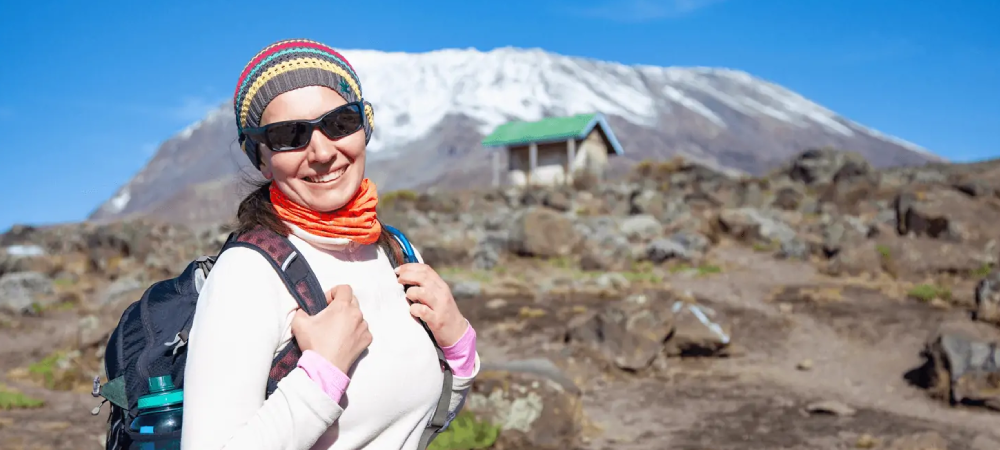
Kilimanjaro for Women Travelers
Climbing Mount Kilimanjaro is a dream adventure for many travelers, and women make up a growing number of trekkers on this iconic African mountain. While the climb is non-technical, women travelers often wonder about safety, health, gear, and logistical considerations specific to their needs.
This guide provides practical advice, insights, and tips to help women climbers confidently reach Uhuru Peak, while enjoying a safe and memorable journey.
Is Kilimanjaro Safe for Women Travelers?
Yes, Kilimanjaro is safe for women. Thousands of women successfully summit the mountain every year, either solo, in small groups, or as part of mixed groups. Safety is further enhanced by:
- Choosing a reputable local operator with trained guides and porters
- Trekking with a group for companionship and support
- Staying aware of health, hydration, and altitude concerns
Women climbers often find that local operators provide female guides or support staff on request, which adds comfort and reassurance.
Health and Fitness Considerations
Health preparation is key for all climbers, and women travelers should pay special attention to:
Altitude and Acclimatization
- Kilimanjaro’s main challenge is high altitude, not technical climbing
- Follow the “climb high, sleep low” principle to reduce altitude sickness risk
- Consider longer itineraries like Lemosho (7–8 days) or Northern Circuit (8–9 days) for gradual ascent
Medical Checks
- Consult a doctor before your trek to check heart, lung, and blood health
- Women should discuss any menstrual or hormonal considerations that may affect energy or hydration
- See our full Kilimanjaro Medical Check Requirements guide for first-time climbers
Gear and Clothing Tips for Women
Proper gear ensures safety and comfort throughout the climb:
- Layered clothing to adjust to cold, wind, and sun
- Moisture-wicking base layers to prevent chafing
- Warm gloves, hats, and insulated jackets for summit night
- Supportive hiking boots and gaiters for uneven trails
- Personal hygiene supplies, including biodegradable wipes, feminine products, and hand sanitizer
Packing the right gear makes the climb more enjoyable, especially during summit night. See our Kilimanjaro Gear Guide: What You Really Need for a detailed list.
Safety Tips for Women Climbers
- Travel with a group or experienced operator for added security
- Stay hydrated and eat balanced meals throughout the trek
- Use private toilet options at campsites for comfort and hygiene
- Listen to your body—don’t push too hard if altitude symptoms appear
- Communicate openly with guides about any concerns or health issues
These precautions help women focus on the adventure rather than worry about logistics or safety.
Cultural and Social Considerations
Trekking with a local operator also offers a unique opportunity to learn about Tanzanian culture. Women climbers often enjoy interactions with local Chagga porters and guides, gaining insights into traditions, meals, and community life.
Additionally, Kilimanjaro trekking is a supportive environment, with female climbers increasingly forming dedicated trekking groups and programs designed to empower women adventurers.
Final Thoughts: Kilimanjaro Is Accessible to Women of All Levels
With proper preparation, training, and support, women travelers of all fitness levels can successfully climb Kilimanjaro. Choosing the right route, itinerary, and operator ensures a safe, enjoyable, and memorable experience.
First-time female climbers should prioritize fitness, acclimatization, gear, and safety, allowing them to focus on the breathtaking views and achievement of standing on Uhuru Peak.
Plan Your Kilimanjaro Climb with Expert Guidance
If you are a woman preparing for your first Kilimanjaro trek, our team offers customized itineraries, trained guides, ethical porter support, and safety-focused planning to ensure a comfortable and successful climb.
Contact us for inquiries and custom climbing planning:
- Call: +255 689 500 614
- WhatsApp: +255 784 673 777
- Email: info@kiliholidays.com/ kiliholidaystours@gmail.com
Request a quote using the form below, and our Kilimanjaro specialists will provide a personalized plan tailored for women travelers.