
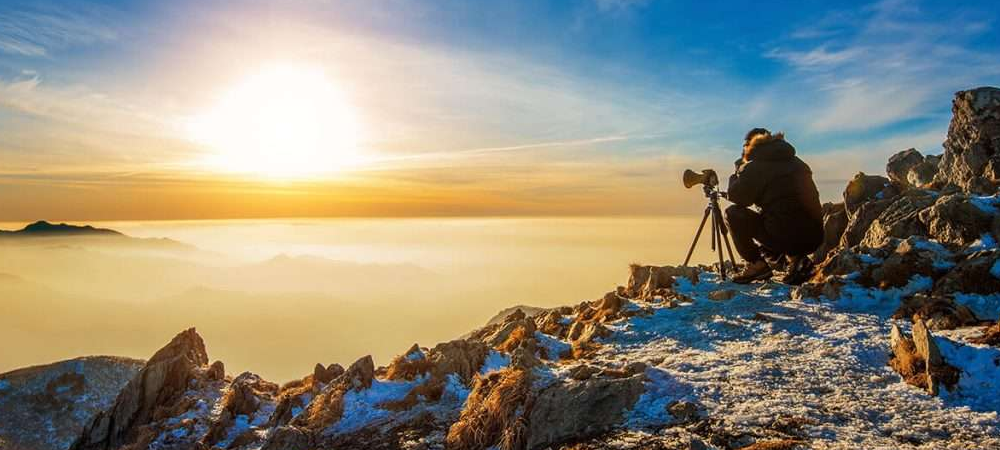
Kilimanjaro Photography Tips
Climbing Mount Kilimanjaro offers more than a summit achievement—it provides some of the most diverse and dramatic photographic opportunities in Africa.Kilimanjaro Photography Tips. From lush rainforests and alpine deserts to glaciers and sunrise views above the clouds, Kilimanjaro is a dream destination for photographers.
For first-time climbers, knowing how to prepare your camera gear, manage cold conditions, and capture key moments makes a big difference. This guide shares practical Kilimanjaro photography tips to help you return home with stunning images.
Understand Kilimanjaro’s Changing Landscapes
One of Kilimanjaro’s most unique features is its five distinct climate zones, each offering different photography opportunities:
- Rainforest zone: Dense greenery, towering trees, and wildlife
- Moorland: Giant lobelias and wide open trails
- Alpine desert: Stark landscapes with dramatic skies
- Arctic summit: Glaciers, ice fields, and sunrise views
Plan to shoot early morning and late afternoon when light is soft and shadows add depth.
Camera Gear to Bring on Kilimanjaro
Keep It Light and Functional
Weight matters at high altitude. Choose gear that balances quality and portability:
- Mirrorless or lightweight DSLR camera
- Versatile lens (24–70mm or 18–135mm)
- Wide-angle lens for landscapes and summit shots
- Extra batteries (cold drains power quickly)
- Memory cards with high storage capacity
A smartphone can work well, but a dedicated camera offers better low-light and sunrise performance.
For a complete equipment checklist, see our Kilimanjaro Gear Guide: What You Really Need.
Protect Your Camera from Cold and Dust
Kilimanjaro conditions can be harsh:
- Store batteries close to your body to keep them warm
- Use a weather-resistant camera bag
- Protect lenses from dust in alpine desert zones
- Avoid frequent lens changes on windy days
On summit night, temperatures drop well below freezing, so minimal gear and quick shooting are essential.
Best Times for Photography on Kilimanjaro
Sunrise and Sunset
- Summit sunrise at Uhuru Peak is the most iconic photo opportunity
- Lower camps offer dramatic sunsets over the clouds
During Rest Stops
- Capture candid moments of climbers, guides, and porters
- Use breaks to frame shots without rushing
Summit Day
- Focus on storytelling shots, not just landscapes
- Photograph headlamps, silhouettes, and changing skies
See our Kilimanjaro Summit Night: What to Expect guide for timing details.
Composition Tips for Kilimanjaro Photos
- Include people in your frame to show scale
- Use winding trails to create leading lines
- Capture details—boots, trekking poles, frost, and breath vapor
- Shoot both wide shots and close-ups for variety
- Take photos in portrait and landscape orientation
These techniques help tell a complete story of your climb.
Ethical and Cultural Photography
Respect is important when photographing:
- Always ask permission before photographing guides or porters
- Avoid intrusive or staged images
- Share photos with your trekking team—it’s greatly appreciated
Learn more about responsible trekking in our Kilimanjaro Porters & Ethical Treatment Explained guide.
Photography Tips for First-Time Climbers
- Don’t overpack gear—altitude affects energy
- Focus on quality over quantity
- Back up photos whenever possible
- Balance photography with rest and hydration
Your safety and acclimatization always come first.
Final Thoughts: Tell Your Kilimanjaro Story Through Images
Great Kilimanjaro photography is about planning, simplicity, and timing. With the right gear, awareness of light, and respect for the environment, first-time climbers can capture powerful images that reflect both the challenge and beauty of the mountain.
Plan Your Kilimanjaro Climb with Expert Guidance
If you’re planning your first Kilimanjaro climb, our team helps you choose the best routes, itineraries, and summit strategy, ensuring you have time and energy to enjoy photography along the way.
Contact us for inquiries and custom climbing planning:
- Call: +255 689 500 614
- WhatsApp: +255 784 673 777
- Email: info@kiliholidays.com/ kiliholidaystours@gmail.com
Request a quote using the form below, and our Kilimanjaro specialists will create a personalized itinerary that balances safety, acclimatization, and unforgettable photo opportunities.