
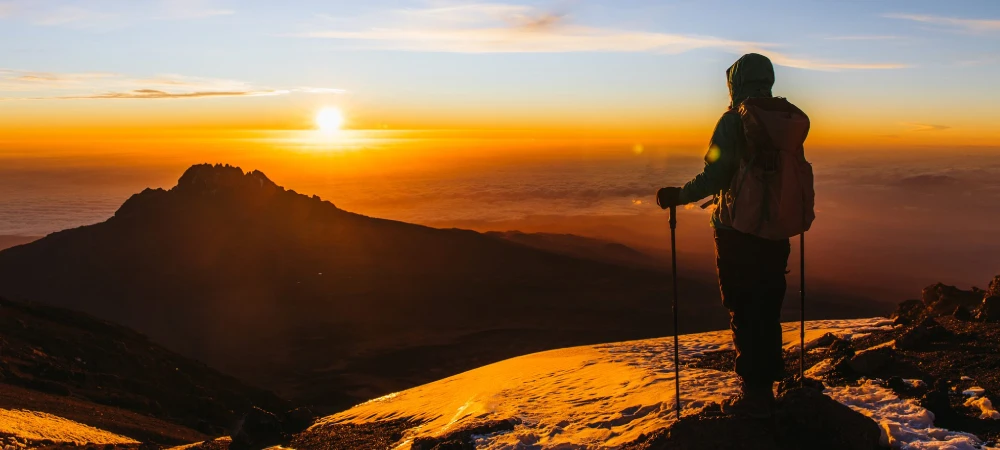
Kilimanjaro Sunrise at Uhuru Peak Explained
Kilimanjaro Sunrise at Uhuru Peak Explained: A Complete Guide
Experiencing the Kilimanjaro sunrise at Uhuru Peak is a once-in-a-lifetime moment for trekkers and adventure travelers. Standing at Africa’s highest point and witnessing the first rays of sunlight over the clouds is breathtaking, both visually and spiritually.
In this guide, Kiliholidays Tour and Safari explains what to expect, how to prepare, and how to make the most of the sunrise experience at Kilimanjaro’s Uhuru Peak.
Why the Kilimanjaro Sunrise Is Special
The sunrise at Uhuru Peak is not just a beautiful view, it marks the culmination of days of trekking through lush forests, moorlands, and alpine deserts. As the sun rises over Tanzania’s landscape, you can see:
- The glaciers and snowfields of the summit
- The surrounding valleys and plains shrouded in morning mist
- Dramatic shadows and colors changing rapidly over the crater rim
This experience is often described as life-changing by climbers and photographers alike.
Best Time for Sunrise at Uhuru Peak
Timing the Summit
Most climbers start their summit push around midnight to reach Uhuru Peak at sunrise. This timing allows:
- Cooler trekking temperatures
- Avoiding strong winds and daytime sun
- Witnessing the magical sunrise as the reward for your climb
Kilimanjaro Sunrise at Uhuru Peak-Seasonal Considerations
- Dry Season (June–October, January–March): Clear skies increase visibility and provide optimal photographic opportunities.
- Rainy Season (March–May, November–December): Clouds and mist create dramatic, moody landscapes, though visibility may be limited.
Preparing for Sunrise at Uhuru Peak
Gear and Essentials
- Headlamp for night trekking
- Warm layers: temperatures can drop below -10°C
- Gloves, hat, and thermal socks
- Water and light snacks for energy
- Camera or smartphone for capturing sunrise moments
Kilimanjaro Sunrise at Uhuru Peak-Physical Preparation
The final ascent is steep and physically demanding. Proper acclimatization, pacing, and hydration are crucial. Experienced guides from Kiliholidays Tour and Safari help maintain a steady pace to reach the peak safely.
Making the Most of the Sunrise Experience
Tips for Photographers
- Capture silhouettes against the glowing sky
- Use the changing light to photograph glaciers and ridges
- Experiment with wide-angle shots to include both the sun and surrounding landscape
Tips for Climbers
- Pause at Stella Point if needed, then continue for the full Uhuru Peak experience
- Take a moment to soak in the view; it’s a reward for your effort
- Celebrate safely and follow your guide’s instructions on the summit
Descending After Sunrise
After enjoying the sunrise, most climbers descend via the Mweka or Marangu route, depending on your itinerary. The descent allows hikers to:
- Enjoy improved visibility of the mountain’s flora and fauna
- Relieve fatigue gradually with guide assistance
- Reach base camp or lodge in time for breakfast and rest
Descending safely ensures that the sunrise experience remains memorable and rewarding.
Book Your Kilimanjaro Sunrise Experience with Kiliholidays Tour and Safari
Witnessing the Kilimanjaro sunrise at Uhuru Peak is the highlight of any mountain adventure. At Kiliholidays Tour and Safari, we offer custom climbing itineraries, expert guides, and full support to ensure a safe and unforgettable summit experience.
Contact us for inquiries and custom climbing safari planning:
- Call: +255 689 500 614
- WhatsApp: +255 784 673 777
- Email: info@kiliholidays.com/ kiliholidaystours@gmail.com
Request a quote using the form below for inquiries, and our climbing specialists will get back to you with a personalized Kilimanjaro sunrise climb itinerary tailored to your fitness, schedule, and preferred route.