
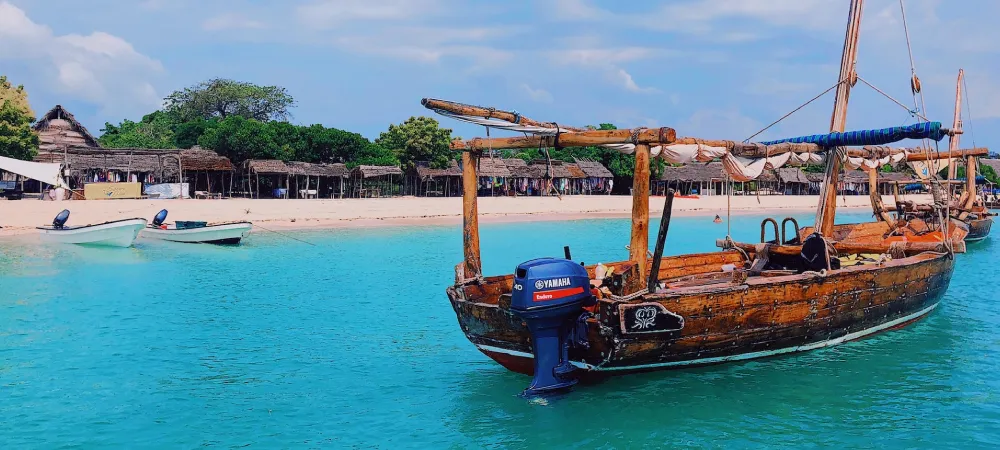
Zanzibar Travel Myths vs Reality
Zanzibar is one of East Africa’s most popular travel destinations, known for its white sandy beaches, turquoise waters, and rich cultural heritage. However, like any popular destination, Zanzibar Travel Myths and misconceptions that can sometimes confuse travelers. This guide separates fact from fiction, helping you plan a realistic and enjoyable trip to the Spice Island.
Myth 1: Zanzibar Is Just Beaches
Reality: While Zanzibar is famous for its stunning beaches, the island offers much more. Visitors can explore historic Stone Town, visit spice farms, trek through lush forests like Jozani Chwaka Bay National Park, and enjoy cultural experiences such as traditional cooking classes and music festivals. Zanzibar’s combination of history, culture, and adventure makes it a well-rounded destination beyond sun and sand.
Myth 2: Zanzibar Is Unsafe for Tourists
Reality: Zanzibar is generally safe for travelers. Like any destination, common-sense precautions are important, such as avoiding isolated areas at night, securing valuables, and respecting local customs. The local population is friendly, and tourist areas, beaches, and resorts have well-established security measures. Traveling responsibly ensures a safe and enjoyable experience.
Myth 3: Zanzibar Is Expensive – Zanzibar Travel Myths
Reality: Zanzibar caters to all budgets. From luxury resorts and private villas to mid-range hotels and guesthouses, the island offers a wide range of accommodation options. Local restaurants, markets, and community-run tours provide affordable ways to enjoy the culture, cuisine, and activities. Planning ahead can make a Zanzibar holiday both accessible and luxurious without overspending.
Myth 4: The Island Is Only for Couples or Honeymooners
Reality: While Zanzibar is a popular honeymoon destination, it’s also perfect for families, solo travelers, and groups. Family-friendly beaches like Nungwi and Kendwa offer calm waters and kid-friendly resorts. Adventure seekers can enjoy snorkeling, diving, and island-hopping tours. Culture enthusiasts can explore Stone Town, spice farms, and local villages. Zanzibar truly has something for everyone.
Myth 5: You Can See Everything in a Short Trip
Reality: Zanzibar has a lot to offer, and a few days may only scratch the surface. Between beaches, cultural sites, wildlife, and island excursions, travelers often need a well-planned itinerary to see the highlights. Combining a Zanzibar trip with a Tanzania safari or multiple island excursions maximizes the experience without feeling rushed.
Myth 6: All Resorts Are the Same: Zanzibar Travel Myths
Reality: Zanzibar’s resorts vary greatly in style, amenities, and location. Some are boutique beachfront retreats, while others focus on luxury overwater experiences or family-friendly accommodations. Choosing the right resort depends on your preferences for privacy, activities, dining, and cultural immersion. Researching options ensures a stay tailored to your travel goals.
Myth 7: Mosquitoes Make Zanzibar Unbearable
Reality: Mosquitoes exist in Zanzibar, but using preventive measures makes them manageable. Many resorts provide mosquito nets, and travelers are encouraged to use repellent and wear long sleeves in the evenings. Malaria risk is present in certain areas, but taking proper precautions and consulting your doctor ensures a safe trip.
Plan Your Zanzibar Travel Myths With Kiliholidays
Understanding the reality behind Zanzibar myths helps travelers plan a smoother, more enjoyable trip. Kiliholidays specializes in creating personalized itineraries that combine beaches, culture, adventure, and relaxation. Whether it’s a family holiday, honeymoon, or adventure trip, our team ensures your Zanzibar experience exceeds expectations.
Contact us for inquiries and custom climbing or travel planning:
- Call: +255 689 500 614
- WhatsApp: +255 784 673 777
- Email: info@kiliholidays.com/ kiliholidaystours@gmail.com
Request a quote using the form below, and our Kilimanjaro specialists will provide a personalized plan that includes insurance guidance, route selection, and summit preparation.