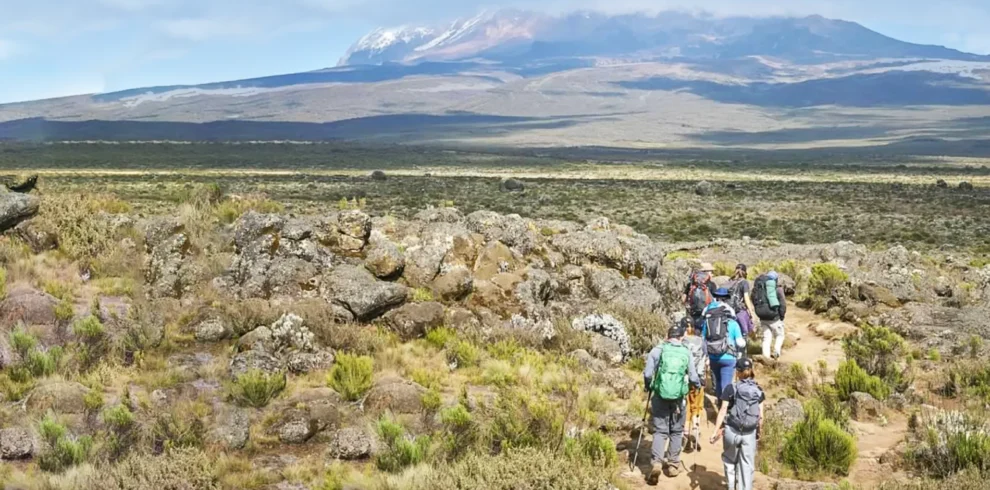
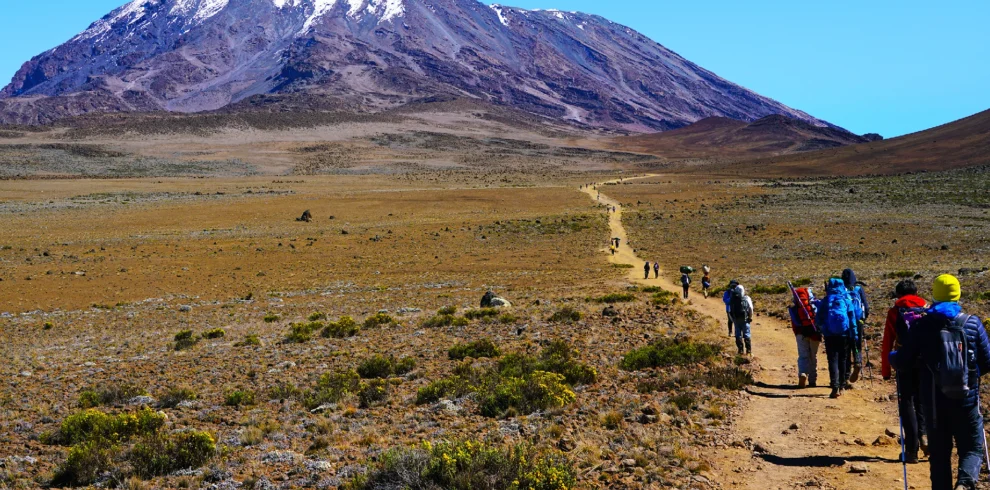
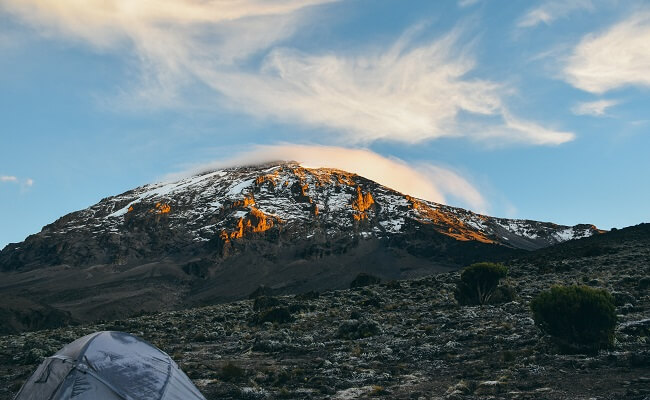
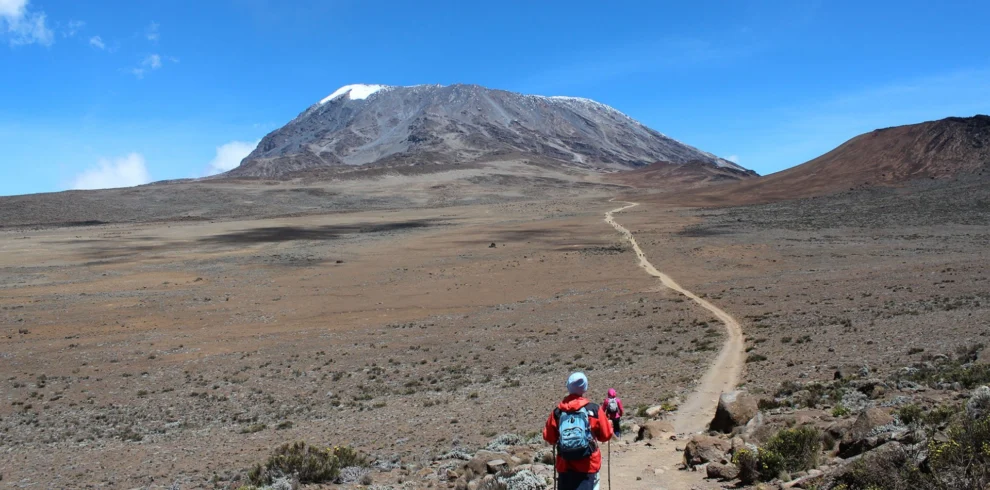
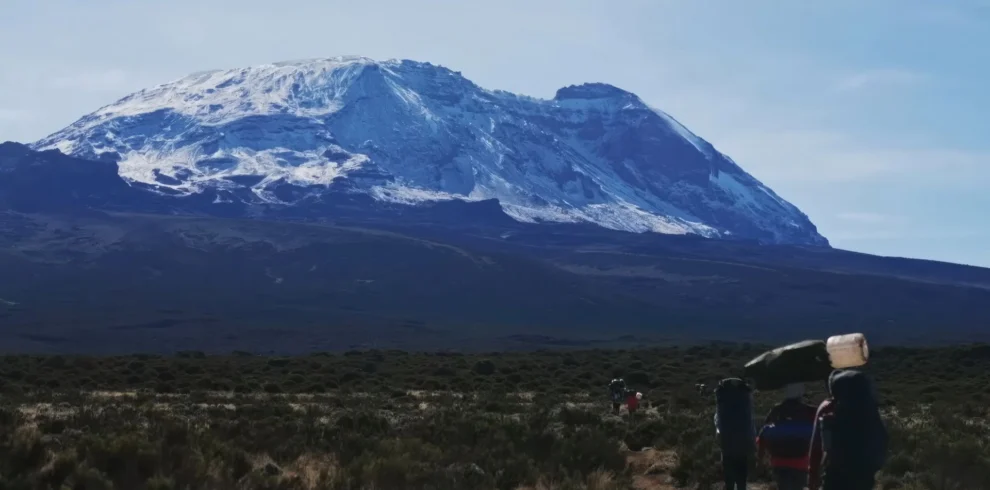
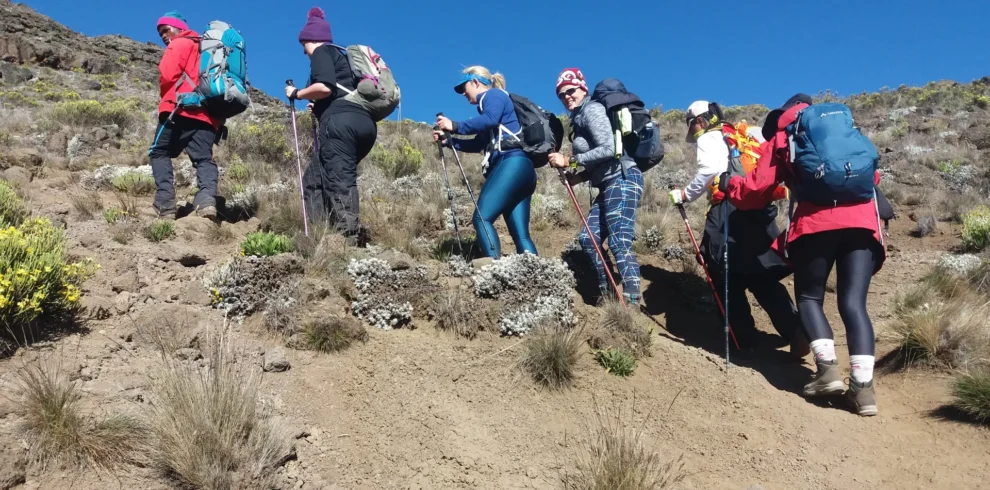
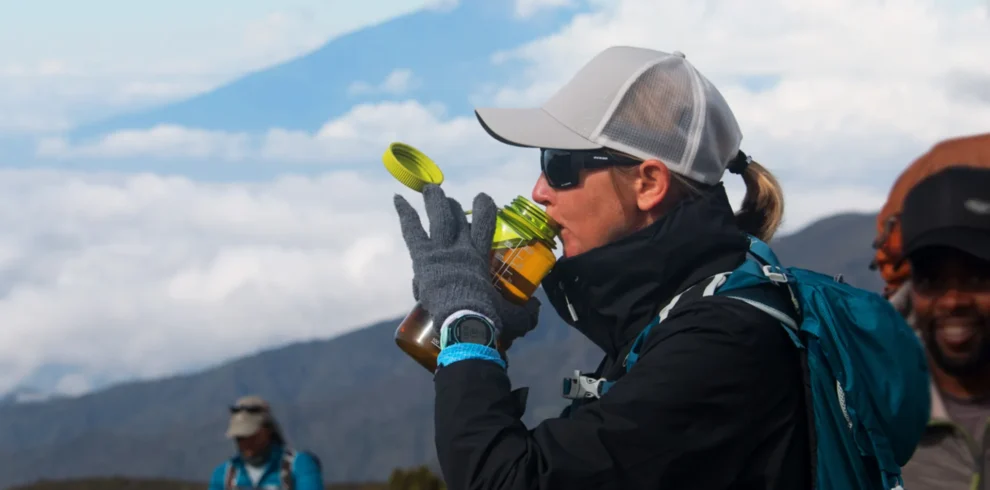
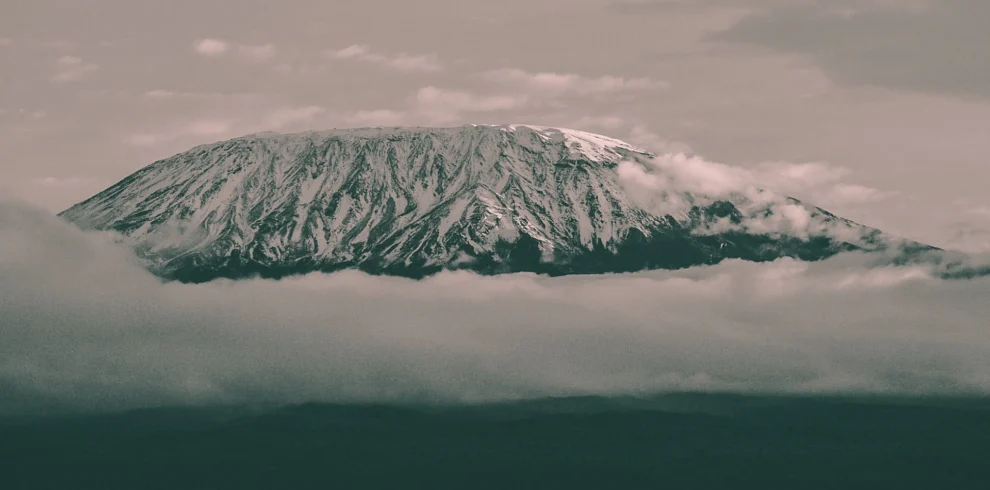
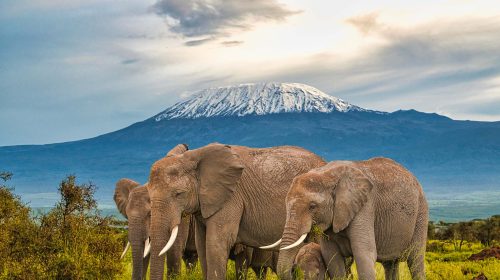
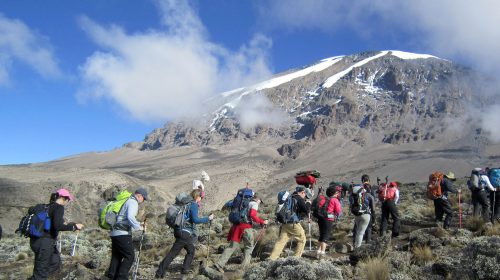
Standing at 5,895 meters (19,341 feet), Mount Kilimanjaro is the highest mountain in Africa and the tallest free-standing mountain in the world. Known as the “Roof of Africa,” Kilimanjaro rises majestically above the plains of Tanzania, a snow-capped giant surrounded by savannah and lush rainforest. For trekkers, adventurers, and dreamers alike, climbing Kilimanjaro is a life-changing experience — one that combines physical challenge, natural beauty, and cultural immersion into a single, unforgettable journey.
Unlike many of the world’s other high peaks, Climbing Kilimanjaro does not require technical mountaineering skills. There are no ropes, ice axes, or crampons necessary for most routes. Instead, it’s a trek accessible to anyone with determination, a reasonable level of fitness, and a desire to push their limits. Whether you are a seasoned climber or a first-time hiker, Kilimanjaro has a route suited to your pace and preference.
With Kiliholidays, every detail of your climb is thoughtfully arranged — from guides and porters to meals and equipment support. This allows you to focus on the essence of the adventure: putting one foot in front of the other until you stand at Uhuru Peak, the highest point in Africa, watching the sunrise over a continent that stretches endlessly below.
The Allure of Climbing Kilimanjaro
Why do thousands of people from around the globe travel to Tanzania each year with one goal in mind: climbing Kilimanjaro?
Accessibility – Unlike technical mountains such as Everest, Climbing Kilimanjaro requires no ropes, no climbing equipment, and no previous mountaineering experience. Determination and preparation are the true essentials.
Diverse Landscapes – Few treks on Earth offer such varied scenery. You’ll hike through dense rainforests, moorlands dotted with giant lobelias, stark alpine deserts, and finally, icy glaciers near the summit.
Cultural Connections – Along the way, trekkers meet local guides and porters, often from the Chagga community, who share stories, traditions, and hospitality that enrich the journey.
Bucket-List Achievement – Standing on Uhuru Peak is not just another hike — it’s a defining accomplishment, a dream fulfilled, and a moment that inspires pride and humility in equal measure.
Climbing Kilimanjaro is more than a physical challenge; it’s a mental and emotional journey that leaves a lasting imprint on every trekker.
Best Time to Climb Kilimanjaro
Mount Kilimanjaro can be climbed year-round, but the weather and conditions vary significantly depending on the season. Choosing the right time is key to maximizing your experience.
January to March: Cooler temperatures, fewer crowds, and crystal-clear skies. These months are ideal for photographers who want the best views of glaciers and landscapes.
June to October: This is the peak trekking season. Dry weather, stable conditions, and vibrant landscapes make it the most popular time for first-time climbers. Expect busier trails but excellent summit success rates.
November and April–May: These months bring rain, which can make the trails slippery and challenging. However, if you prefer solitude and quiet trails, this might appeal to you.
Most climbers opt for January–March or June–October, balancing good weather with great visibility.
Climbing Kilimanjaro Routes Explained
There are several established routes to the summit, each with unique characteristics. Choosing the right route depends on your fitness level, acclimatization needs, and desired experience.
Marangu Route (Coca-Cola Route)
The only route with hut accommodations.
Shortest and logistically simple, but lower success rates due to less time for acclimatization.
Machame Route (Whiskey Route)
The most popular choice.
Known for its stunning scenery, balanced acclimatization, and 6–7 day duration.
Recommended for those who want a mix of challenge and success.
Lemosho Route
Famous for its beauty and high summit success rate.
Longer route (7–8 days), which improves acclimatization.
Ideal for trekkers who want both scenery and a higher chance of reaching the summit.
Rongai Route
Approaches from the north, offering a quieter climb.
Less crowded, with a dry climate.
Good for trekkers looking for solitude.
Shira Route
Starts at a higher altitude, making it more challenging for acclimatization.
Scenic but recommended for experienced trekkers.
Umbwe Route
With Kiliholidays, trekkers receive guidance on which route best matches their goals, fitness level, and desired experience.
The Five Climate Zones of Climbing Kilimanjaro
One of the most fascinating aspects of climbing Kilimanjaro is trekking through five distinct ecosystems:
Cultivation Zone (800–1,800m): Lush farmlands, villages, and banana plantations.
Rainforest (1,800–3,000m): Dense jungle alive with monkeys, tropical birds, and exotic flora.
Moorland (3,000–4,000m): Open spaces with giant lobelias, rocky trails, and dramatic landscapes.
Alpine Desert (4,000–5,000m): Harsh, barren landscapes with extreme temperature shifts.
Arctic Zone (5,000m+): Snowfields, glaciers, and thin air leading to Uhuru Peak.
Few treks in the world allow you to experience such diverse ecosystems within a single journey.
Training and Preparation for Climbing Kilimanjaro
While no technical climbing skills are required, preparation is essential.
Cardio Training: Activities like running, hiking, or cycling improve stamina.
Strength Training: Focus on leg and core endurance.
Altitude Training: If possible, practice hikes at higher elevations.
Mental Preparation: Expect long days, unpredictable weather, and physical fatigue. A positive mindset is vital.
Kiliholidays provides climbers with pre-climb training tips and customized fitness advice.
Altitude and Acclimatization
The main challenge of Kilimanjaro is altitude sickness. Oxygen levels at the summit are nearly 50% lower than at sea level.
Climb Slowly: Guides emphasize “pole, pole” (slowly, slowly) to allow your body time to adjust.
Hydration: Drinking 3–4 liters daily helps reduce symptoms.
Acclimatization Days: Longer routes like Lemosho increase success rates.
Medication: Some trekkers use Diamox under medical advice.
With the right approach, most trekkers safely reach the summit.
A Day in the Life on Climbing Kilimanjaro
A typical day on the mountain follows a structured routine:
Morning: Wake early, enjoy a hearty breakfast, and begin trekking.
Afternoon: Stop for lunch along the trail or at camp, continue hiking.
Evening: Arrive at camp, relax, enjoy dinner, and prepare for the next day.
Summit Night: The final push begins around midnight, reaching Uhuru Peak at sunrise — a magical, emotional experience.
Guides and porters ensure you are safe, comfortable, and motivated throughout the trek.
Essential Gear for Climbing Kilimanjaro
Packing smart is key to success:
Clothing: Layered system with moisture-wicking base layers, fleece, waterproof gear, and an insulated jacket.
Footwear: Broken-in hiking boots, gaiters, and warm socks.
Sleeping Gear: Four-season sleeping bag, insulated mat.
Accessories: Headlamp, trekking poles, gloves, sunglasses, and reusable water bottles.
Health & Safety: Sunscreen, personal first aid kit, and water purification tablets.
Kiliholidays provides detailed packing lists and offers rental gear for trekkers.
Food and Accommodation on the Mountain
Nutrition is vital when trekking at high altitude. Kiliholidays ensures balanced meals with soups, pasta, rice, vegetables, and proteins. Special diets can be accommodated.
Accommodation varies by route. The Marangu Route has huts, while other routes rely on high-quality tents set up by support teams.
Cultural Insights: The Chagga People
The foothills of Kilimanjaro are home to the Chagga people, known for their farming, traditions, and warm hospitality. Many guides and porters come from Chagga communities, enriching climbs with cultural stories and insights.
After the climb, trekkers often visit local villages to experience coffee tours, traditional dances, and Chagga cuisine.
Safety on Climbing Kilimanjaro
Safety is the foundation of every Kiliholidays trek.
Experienced Guides: Certified, trained in first aid, and experts in altitude management.
Daily Health Checks: Oxygen saturation and pulse monitored regularly.
Emergency Protocols: Clear evacuation plans and communication systems in place.
Your well-being is always the top priority.
Life-Changing Moments at Uhuru Peak
Reaching the summit of Kilimanjaro is an emotional and transformative experience. Many trekkers describe tears of joy, a sense of spiritual connection, and pride in achieving something extraordinary. Watching the sun rise above Africa from Uhuru Peak is a memory etched in your soul forever.
Beyond the Mountain: Post-Climb Adventures
Climbing Kilimanjaro is just one chapter in a Tanzanian adventure. Many climbers extend their journeys with:
Safari in Serengeti or Ngorongoro Crater to witness the Big Five.
Beach escapes in Zanzibar, where turquoise waters meet white sand.
Cultural tours in Arusha and Moshi, exploring local life and traditions.
Climbing Kilimanjaro is more than just a trek. It’s a journey of endurance, discovery, and triumph. From the first steps through lush rainforest to the final push across glaciers, every moment tests your body and uplifts your spirit. With the expert guidance of Kiliholidays, you can embark on this life-changing adventure with confidence, safety, and support.
Standing on the Roof of Africa, watching the sun rise above the clouds, you’ll realize that Kilimanjaro is not just a mountain — it’s a dream come true.