
How Hard Is It to Climb Mount Kilimanjaro?
Climbing Mount Kilimanjaro is a dream for many travelers, but how hard it is to climb Mount Kilimanjaro depends on several factors, including your fitness, route choice, acclimatization, and preparation. This guide explains what to expect, the challenges beginners may face, and tips for making your climb achievable and safe.
Is Mount Kilimanjaro Technically Difficult?
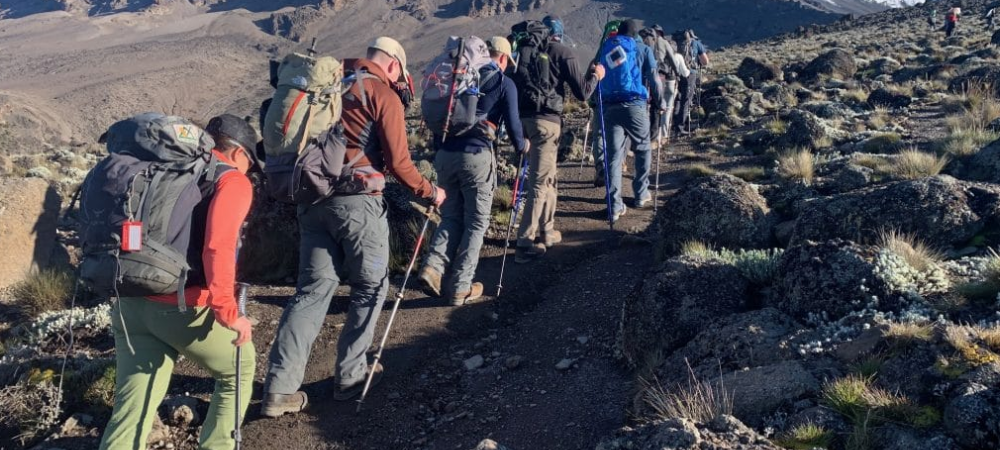
Mount Kilimanjaro is considered a non-technical climb, which means you do not need ropes, rock climbing skills, or technical mountaineering equipment. Anyone in reasonable health can attempt it. The main challenge is altitude, not technical climbing.
Key Takeaways:
- No technical climbing required
- Hiking boots and trekking poles are enough
- Routes are well-marked and guided
Main Challenges of Climbing Mount Kilimanjaro
While it is non-technical, Kilimanjaro presents physical and environmental challenges.
1. High Altitude
Altitude is the biggest difficulty for most climbers. The summit, Uhuru Peak, is 5,895 meters (19,341 feet) above sea level. Symptoms of altitude sickness can include headaches, nausea, fatigue, and dizziness. Proper acclimatization and slow trekking are essential.
2. Physical Fitness
You don’t need to be an athlete, but stamina is important. Long hours of hiking, steep ascents, and uneven terrain can be physically demanding. Training with walking, hiking, and stair climbing is highly recommended.
3. Cold Temperatures
Summit day can be freezing, with temperatures often below -10°C (14°F). Wind chill makes it feel even colder. Layered clothing, gloves, hats, and a warm sleeping bag are crucial.
4. Duration of the Climb
Most first-time climbs last 6–9 days. A longer route improves your chances of reaching the summit because it allows your body to acclimatize, reducing the risk of altitude sickness.
Which Route Is Easiest for Beginners?
Route choice greatly affects difficulty. Some routes allow more gradual climbs, making them easier for first-timers.
- Marangu Route: Shortest, uses huts, easier logistics, but faster ascent increases altitude risks.
- Machame Route: More scenic, higher summit success rate, moderate difficulty.
- Lemosho Route: Longer, excellent acclimatization, recommended for beginners who want higher chances of success.
Tips to Make Climbing Mount Kilimanjaro Easier
- Go “Pole Pole” (Slowly): Walking slowly conserves energy and helps your body adapt to altitude.
- Stay Hydrated: Drink at least 3–4 liters of water per day.
- Choose a Longer Route: Adds days for acclimatization, increasing summit success.
- Train Beforehand: Hiking, running, and stair climbing prepare your legs and lungs.
- Trust Your Guide: Licensed guides monitor your health and pace.
How Hard Is It Really for Beginners?
For beginners, the climb is challenging but achievable with preparation. Success is less about technical skill and more about:
- Acclimatization
- Mental determination
- Physical stamina
- Choosing the right route and guide
With proper preparation, many first-time climbers reach the summit safely.
Final Thoughts
Climbing Mount Kilimanjaro is difficult but rewarding, offering unforgettable views and a huge sense of accomplishment. Beginners who pace themselves, train in advance, and follow expert guidance will find the climb challenging but manageable.
Plan Your First Mount Kilimanjaro Climb
If you are wondering how hard it is to climb Mount Kilimanjaro and want professional support to make your first climb successful, we can help you plan every detail safely.
Contact us for inquiries and custom climbing planning:
- Call: +689 500 614
- WhatsApp: +784 673 777
- Email: info@kiliholidays.com/ kiliholidaystours@gmail.com
Request a quote using the form below for inquiries, and our climbing specialists will get back to you with a personalized Mount Kilimanjaro plan.