
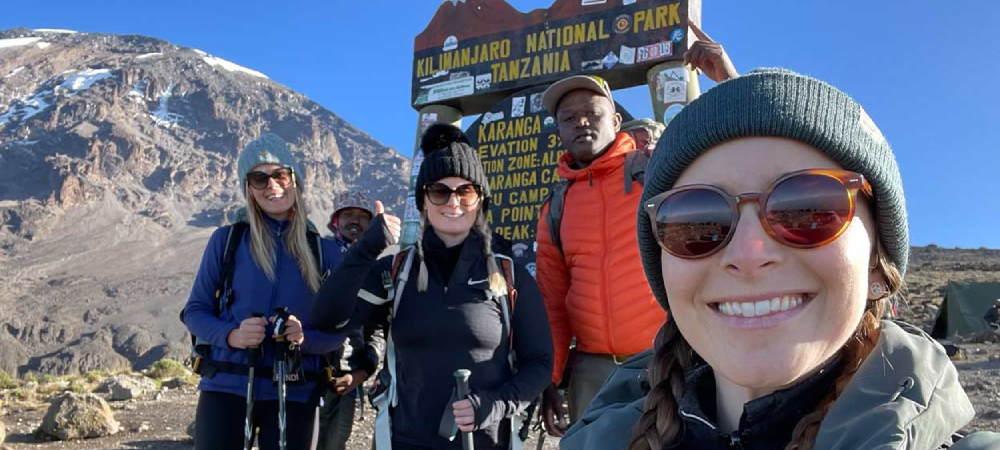
Kilimanjaro Climb Cost vs Value
Climbing Mount Kilimanjaro is one of the most rewarding challenges many travelers take on, and first‑time climbers often ask: “Is the cost worth it?” To answer that, you need to compare what you pay against the value you receive — including safety, support, acclimatization, and experience. While the price tag may seem high, understanding Kilimanjaro climb cost vs value helps you budget wisely and choose the right package.
What Goes Into the Cost of a Kilimanjaro Climb
Before evaluating value, let’s break down the main cost components of a Kilimanjaro climb:
Park Fees and Permits
Tanzania requires climbers to purchase official park permits to enter Kilimanjaro National Park. These fees support conservation, trail upkeep, and ranger services. See Kilimanjaro National Park Fees Explained for details.
Guide, Porter, and Crew Fees
You must trek with licensed guides and porters. Their support includes:
- Carrying gear
- Setting up camps
- Preparing meals
- Monitoring health and acclimatization
Learn more in Kilimanjaro Porters & Ethical Treatment Explained.
Accommodation and Meals
Packages include:
- Hotel or lodge nights before/after the climb
- Camp or hut nights on the mountain
- Food and water throughout the trek
Climbing Support Logistics
Operators handle:
- Transportation to/from trailheads
- Gear organization
- Rescue and safety equipment
Travel Essentials
Additional expenses may include:
- International flights
- Travel insurance (recommended; see Kilimanjaro Climbing Insurance Guide)
- Gear rental or purchase
Typical Kilimanjaro Climb Costs (Per Person)
| Cost Element | Approximate Range (USD) |
|---|---|
| 5–6 Day Package | $1,200–$1,800 |
| 6–7 Day Package | $1,500–$2,400 |
| 7–8 Day Package | $1,800–$3,000 |
| 8–9 Day (Long Routes) | $2,200–$3,500+ |
| Travel Insurance | $80–$300 |
| Gear Rental/Personal | $100–$400 |
| Tips for Crew | $150–$300 |
These figures vary by operator, route, season, group size, and included services.
Why Kilimanjaro Can Feel Expensive
At first glance, Kilimanjaro’s price may feel high compared with other hikes. Here’s why:
1. High Altitude Requires Support
Altitude sickness is a real risk. Good operators include:
- Experienced guides
- Altitude‑aware pacing
- Rescue planning
These safety layers aren’t cheap, but they protect you.
2. Ethical Treatment of Porters
Responsible companies ensure porters are properly equipped, fed, and paid fairly. This improves safety and supports local livelihoods.
3. Conservation Fees
Park fees fund preservation of the mountain’s ecosystem and support ranger operations.
4. Logistics in a Remote Area
Night camps, meals, water, and waste management add up — and they must meet park standards.
How to Maximize Your Value on Kilimanjaro
You get the most value when your climb emphasizes:
- Health and acclimatization
- Experienced guides
- Quality food
- Appropriate gear
- Longer itineraries
Here’s how to boost value:
Choose Longer Routes
Spending more days on the mountain — like the Lemosho or Northern Circuit routes — improves acclimatization and summit success. See How Long Does It Take to Climb Kilimanjaro? and Best Kilimanjaro Route for First‑Time Climbers.
Pack Smart and Train Ahead
Proper training and gear reduce stress and risk. Follow our Kilimanjaro Training Plan for Beginners and Kilimanjaro Packing List.
Don’t Cut Corners on Safety
Cheaper doesn’t always mean better. Operators who underprice often cut services like rescue readiness or certified guides and that risks your health.
Kilimanjaro Cost vs Value: The Big Picture
When you weigh the cost against what you receive, most climbers find Kilimanjaro delivers outstanding value:
✔ Professional guidance and safety
✔ Full support from base to summit
✔ Meals, transport, permits, and logistics handled
✔ Social and cultural interactions with local teams
✔ A once‑in‑a‑lifetime personal achievement
Many climbers describe reaching Uhuru Peak as a transformative experience , and that emotional and personal value often outweighs the price tag.
Final Thoughts: Invest in a Smart, Safe Climb
The cost of climbing Kilimanjaro reflects necessary safety infrastructure, ethical support for crews, and the logistical complexity of a remote, high‑altitude expedition. When you choose a reputable operator and prepare well, you get much more than a hike — you gain a life‑defining achievement.
Plan Your Kilimanjaro Climb with Expert Guidance
If you are planning your first Kilimanjaro climb and want reliable cost estimates, route advice, and a value‑driven itinerary, our team can help you design the perfect plan.
Contact us for inquiries and custom climbing planning:
- Call: +255 689 500 614
- WhatsApp: +255 784 673 777
- Email: info@kiliholidays.com/ kiliholidaystours@gmail.com
Request a quote using the form below, and our Kilimanjaro specialists will send you a personalized cost vs value breakdown for your climb.