
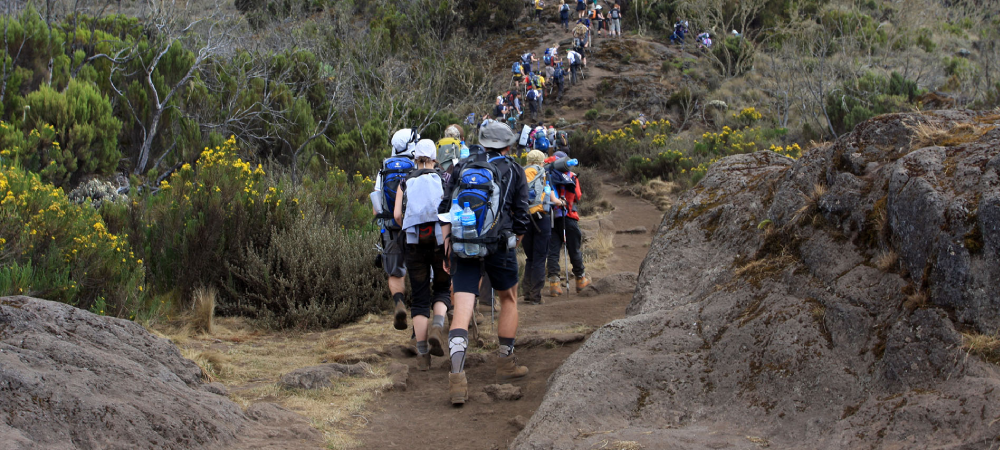
Kilimanjaro Climbing Mistakes to Avoid
Climbing Mount Kilimanjaro is an achievable goal for many travelers, but first-time climbers often make avoidable mistakes that reduce their chances of reaching the summit. Although Kilimanjaro does not require technical climbing skills, it demands proper planning, patience, and preparation, especially because of altitude.
This guide highlights the most common Kilimanjaro climbing mistakes and explains how to avoid them so you can enjoy a safer, more successful trek to Uhuru Peak.
1. Choosing a Route That Is Too Short
Many climbers select short routes to save money or time. Unfortunately, this decision often leads to poor acclimatization and altitude sickness.
Short routes like 5–6 day itineraries increase risk because the body does not have enough time to adjust to altitude. Longer routes may cost more, but they dramatically improve success rates.
Avoid this mistake by:
- Choosing 7–9 day routes
- Prioritizing acclimatization over speed
- Selecting routes like Lemosho or Northern Circuit
See our Best Kilimanjaro Route for First-Time Climbers guide for help choosing wisely.
2. Underestimating Altitude Sickness
Altitude sickness is the number one reason climbers fail to summit Kilimanjaro. Many beginners assume fitness alone will protect them, but altitude affects everyone differently.
Symptoms can include:
- Headaches
- Nausea
- Fatigue
- Dizziness
Avoid this mistake by:
- Walking slowly (“pole pole”)
- Drinking plenty of water
- Reporting symptoms early
- Allowing extra acclimatization days
Read Kilimanjaro Altitude Sickness: Symptoms & Prevention to prepare properly.
3. Packing the Wrong Gear
Overpacking tires you out, while underpacking leaves you cold, wet, or uncomfortable. Many climbers bring unnecessary items and forget critical gear.
Common gear mistakes include:
- Poor-quality hiking boots
- Insufficient warm layers
- Low-quality sleeping bags
- Heavy backpacks
Avoid this mistake by:
- Packing only what you truly need
- Renting bulky gear locally
- Following a proven checklist
Use our Kilimanjaro Packing List (Updated Checklist) and Kilimanjaro Gear Guide: What You Really Need.
4. Skipping Physical Training
Although Kilimanjaro is non-technical, it still requires strong endurance and mental resilience. Many climbers assume daily walking is enough, then struggle on long trekking days and summit night.
Avoid this mistake by:
- Training for at least 8–12 weeks
- Focusing on cardio, leg strength, and hiking
- Practicing long walks with a backpack
See Kilimanjaro Training Plan for Beginners for structured preparation.
5. Ignoring Medical and Insurance Preparation
Some climbers skip medical checks or travel insurance, assuming nothing will go wrong. This decision can create serious problems in emergencies.
Avoid this mistake by:
- Completing a medical check before travel
- Carrying insurance that covers high-altitude trekking
- Bringing personal medications in original packaging
Refer to Kilimanjaro Medical Check Requirements and Kilimanjaro Climbing Insurance Guide.
6. Choosing the Cheapest Operator
Low prices often hide missing park fees, poor equipment, underpaid porters, or untrained guides. This mistake affects safety, comfort, and ethical standards.
Avoid this mistake by:
- Choosing licensed, local operators
- Confirming all park fees and permits are included
- Asking about porter treatment and safety practices
Learn more in Kilimanjaro National Park Fees Explained and Kilimanjaro Porters & Ethical Treatment Explained.
7. Rushing Summit Night
Summit night is the hardest part of the climb. Many climbers walk too fast, skip snacks, or ignore early warning signs from their bodies.
Avoid this mistake by:
- Keeping a slow, steady pace
- Eating small snacks regularly
- Staying warm and hydrated
- Listening closely to your guide
See Kilimanjaro Summit Night: What to Expect for practical tips.
8. Not Listening to Guides
Your mountain guides understand altitude, weather, and group health better than anyone. Ignoring their advice often leads to failed summits or dangerous situations.
Avoid this mistake by:
- Trusting guide decisions
- Communicating honestly about how you feel
- Respecting pacing and rest recommendations
Final Thoughts: Preparation Prevents Failure
Most Kilimanjaro climbing failures come from poor planning, rushed itineraries, or ignoring expert advice. When you avoid these common mistakes and prepare properly, Kilimanjaro becomes a safe, rewarding, and life-changing experience.
Success on Kilimanjaro comes from patience, preparation, and choosing the right support.
Plan Your Kilimanjaro Climb the Right Way
If you are planning your first Kilimanjaro climb, our local team helps you avoid costly mistakes through expert route selection, safety-focused planning, ethical porter support, and transparent pricing.
Contact us for inquiries and custom climbing planning:
- Call: +255 689 500 614
- WhatsApp: +255 784 673 777
- Email: info@kiliholidays.com/ kiliholidaystours@gmail.com
Request a quote using the form below, and our Kilimanjaro specialists will design a personalized itinerary that maximizes safety, comfort, and summit success.