
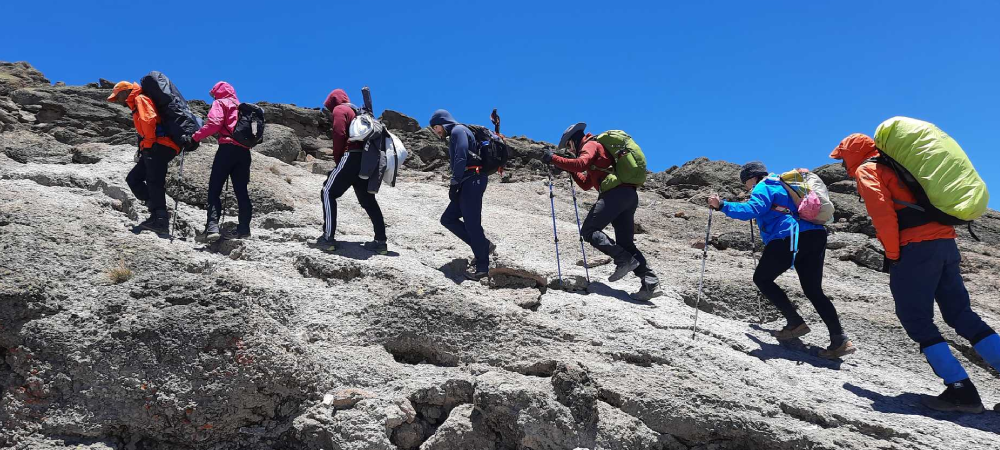
Kilimanjaro Climbing Safety Tips
Climbing Mount Kilimanjaro is a life-changing adventure, Kilimanjaro Climbing Safety Tips. While the trek is non-technical, the combination of long trekking days, high altitude, extreme weather, and rugged terrain can pose risks. Understanding essential safety tips will help you prevent injuries, manage altitude sickness, and make your climb enjoyable.
This guide highlights practical advice to stay safe on Kilimanjaro from start to summit.
1. Choose the Right Route for Your Fitness and Experience
Not all Kilimanjaro routes are equal. Some are longer with gradual elevation gain, while others are shorter and more physically demanding. For first-time climbers:
- Lemosho Route: Excellent for acclimatization and summit success
- Northern Circuit Route: Longest route with 360-degree views and gradual ascent
- Machame Route: Moderate difficulty with scenic trails
- Marangu Route: Shorter but faster, less time for acclimatization
Choosing a route that matches your fitness level and experience reduces the risk of fatigue and altitude sickness. For comparisons, see our Kilimanjaro Routes Compared: Marangu vs Machame vs Lemosho guide.
2. Prioritize Acclimatization to Prevent Altitude Sickness
Altitude sickness is the biggest risk on Kilimanjaro. Symptoms include headaches, nausea, fatigue, and dizziness. To prevent serious issues:
- Climb slowly and steadily, following the “pole pole” principle
- Follow “climb high, sleep low” guidelines
- Drink at least 3–4 liters of water daily
- Avoid alcohol and smoking during the trek
- Listen to your guides and report symptoms early
For more guidance, see our Kilimanjaro Altitude Sickness: Symptoms & Prevention post.
3. Train and Prepare Physically
Physical preparation is key to reducing injury and exhaustion:
- Focus on cardiovascular endurance, leg strength, and core stability
- Practice long hikes with a backpack on uneven terrain
- Include stretching and mobility exercises to prevent muscle strain
Check out our Kilimanjaro Training Plan for Beginners and How to Prepare Physically for Kilimanjaro guides for structured preparation.
4. Pack the Right Gear and Clothing
Proper gear ensures comfort and protection from extreme weather. Essentials include:
- Layered clothing for varying temperatures
- Waterproof jackets and pants
- Hiking boots with ankle support
- Headlamp with extra batteries for summit night
- Sleeping bag rated for -10°C or lower
Refer to our Kilimanjaro Gear Guide: What You Really Need and Packing List (Updated Checklist) for a complete breakdown.
5. Respect Weather Conditions and Summit Timing
Weather on Kilimanjaro can change quickly, especially in alpine and arctic zones:
- Check forecasts before starting your climb
- Be prepared for cold, rain, and wind at higher altitudes
- Start the summit attempt around midnight to reach Uhuru Peak at sunrise
- Dress in layers and carry gloves, a hat, and a scarf
6. Work with Experienced Guides and Support Staff
Professional guides and porters are trained to ensure safety, provide advice, and assist with emergencies:
- Follow all instructions and guidance from your team
- Be aware of porter safety and avoid overloading them
- Make use of oxygen and first aid support if recommended
See our Kilimanjaro Porters & Ethical Treatment Explained guide to understand their role and ensure responsible trekking.
7. Take Care of Nutrition and Hydration
Energy and hydration are critical on Kilimanjaro:
- Eat balanced meals provided by your trekking team
- Carry high-energy snacks for long trekking days
- Hydrate consistently; dehydration increases fatigue and risk of altitude sickness
Final Thoughts: Safety First, Adventure Always
By following these Kilimanjaro climbing safety tips, first-time climbers can minimize risks, improve summit success, and enjoy the experience. Remember, slow, steady, and well-prepared trekking is the key to reaching the top safely.
Combine safety practices with proper training, acclimatization, and ethical trekking to make your Kilimanjaro climb unforgettable.
Plan Your Safe Kilimanjaro Climb with Expert Guidance
If you are preparing for your first Kilimanjaro trek, our experienced team ensures your climb is safe, well-paced, and fully guided, with proper acclimatization, gear, and route planning.
Contact us for inquiries and custom climbing planning:
- Call: +255 689 500 614
- WhatsApp: +255 784 673 777
- Email: info@kiliholidays.com/ kiliholidaystours@gmail.com
Request a quote using the form below, and our Kilimanjaro specialists will provide a personalized safety-focused climbing plan.