
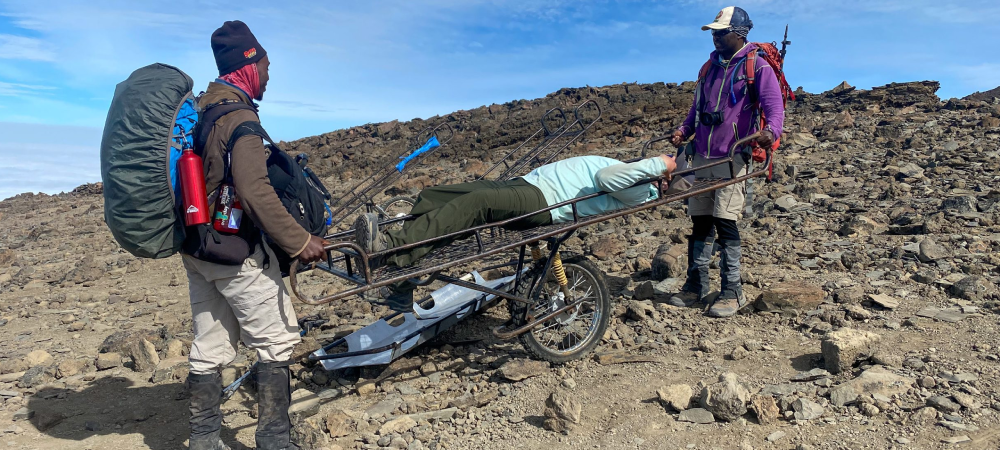
Kilimanjaro Medical Check Requirements
Climbing Mount Kilimanjaro is an exciting adventure, but it demands a physically prepared body. For first-time climbers, Kilimanjaro Medical Check Requirements is crucial to ensure you are fit for the high-altitude trek. Proper health screening reduces the risk of altitude sickness, injuries, or medical emergencies during the climb.
This guide explains what medical checks are recommended, which conditions to be aware of, and how to prepare for a safe Kilimanjaro trek.
Why Medical Checks Are Important
Mount Kilimanjaro reaches 5,895 meters (19,341 ft), exposing climbers to extreme altitude and strenuous hiking. Even though the climb is non-technical, your body undergoes stress from thin air, cold temperatures, and long trekking days.
Medical checks help:
- Identify conditions that may worsen at high altitude
- Ensure you have cardiovascular and respiratory fitness
- Reduce the likelihood of emergencies requiring evacuation
- Give peace of mind to climbers and guides
Kilimanjaro Medical Check Requirements-Recommended Medical Screening Before Kilimanjaro
Before climbing, first-time climbers should consider the following medical checks:
1. General Physical Examination
- Evaluate overall health and fitness
- Check blood pressure, heart rate, and general well-being
- Identify any issues that may affect endurance or balance
2. Cardiovascular Assessment
- ECG (Electrocardiogram) for heart rhythm
- Stress test if you have history of heart disease
- Ensures your heart can handle prolonged physical exertion at altitude
3. Respiratory Check
- Lung function tests for asthma or other breathing issues
- Spirometry may be recommended for those with prior respiratory problems
- Helps prevent complications from reduced oxygen at high altitude
4. Blood Tests
- Hemoglobin and hematocrit levels to ensure proper oxygen transport
- Screening for anemia or other blood conditions that may affect acclimatization
5. Additional Tests for Specific Conditions
- Diabetics should check blood sugar management
- Individuals with joint problems may benefit from orthopedic evaluation
- Anyone with chronic conditions should consult their doctor before climbing
Kilimanjaro Medical Check Requirements-Fitness and Preparation Beyond Medical Checks
Medical clearance alone is not enough. Physical preparation is key for summit success:
- Cardio training: Hiking, jogging, or cycling to build endurance
- Strength training: Focus on legs, core, and back muscles
- Practice hikes: Long walks with a backpack on uneven terrain
- Acclimatization awareness: Follow “climb high, sleep low” principle
For detailed training tips, see our Kilimanjaro Training Plan for Beginners and How to Prepare Physically for Kilimanjaro guides.
Special Considerations for First-Time Climbers
- Age Limit: Most operators recommend climbers be at least 10 years old; older climbers may need extra medical clearance
- Pregnancy: Climbing is generally not recommended during pregnancy
- Altitude Sickness History: Discuss prior experiences with your doctor
- Medication: Carry any necessary medication in clearly labeled containers
Final Thoughts: Health First, Adventure Second
Completing a Kilimanjaro medical check ensures that first-time climbers are physically ready, reduce risks, and enjoy the trek confidently. Combining medical clearance with fitness training, proper gear, and guidance from experienced local operators maximizes your chances of reaching Uhuru Peak safely.
Plan Your Kilimanjaro Climb with Expert Guidance
Our team helps first-time climbers plan, train, and prepare for a safe Kilimanjaro trek, including advice on medical checks, acclimatization, and route selection.
Contact us for inquiries and custom climbing planning:
- Call: +255 689 500 614
- WhatsApp: +255 784 673 777
- Email: info@kiliholidays.com/ kiliholidaystours@gmail.com
Request a quote using the form below, and our Kilimanjaro specialists will provide a personalized preparation plan that includes medical guidance, fitness training, and summit strategy.