
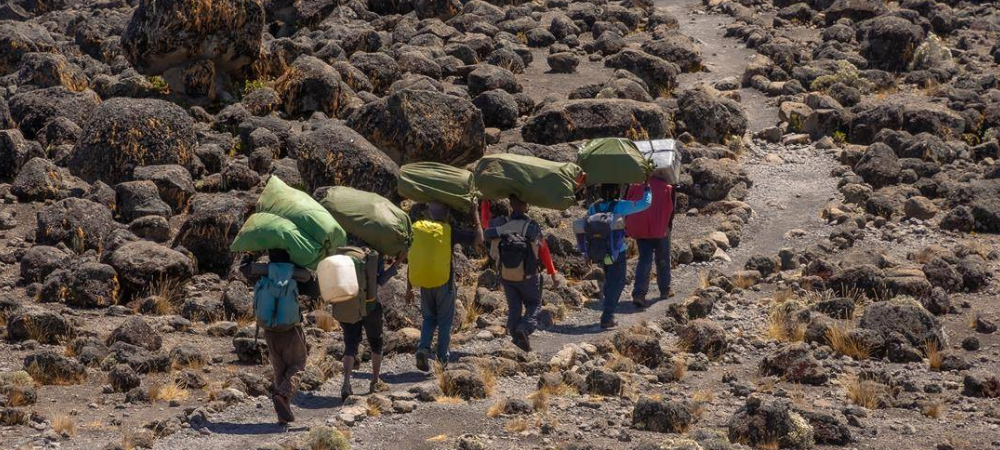
Kilimanjaro Porters & Ethical Treatment Explained
Climbing Mount Kilimanjaro is an extraordinary adventure, but it’s important to recognize the role of porters in making this experience possible. Kilimanjaro Porters & Ethical Treatment Explained These local guides carry equipment, set up camps, cook meals, and ensure the trek runs smoothly. Understanding porter responsibilities, fair treatment, and ethical practices is crucial for every first-time climber.
By being informed, you can ensure your climb is safe, enjoyable, and socially responsible, while supporting the local economy in a meaningful way.
Kilimanjaro Porters & Ethical Treatment Explained-Who Are Porters?
Porters are local men and women employed by trekking companies to carry luggage, tents, and other equipment along Kilimanjaro routes. Their work allows climbers to focus on hiking while ensuring camps are set up and meals are ready.
Typical porter duties include:
- Carrying tents, sleeping mats, and personal bags
- Preparing meals and cleaning campsites
- Assisting with route logistics and safety
- Supporting climbers when needed
Without porters, many routes, especially longer ones like Lemosho or Northern Circuit, would be far more challenging, particularly for first-time climbers.
Kilimanjaro Porters & Ethical Treatment Explained-Why Ethical Treatment Matters
Unfortunately, some climbers are unaware of the difficult working conditions porters face, including heavy loads, extreme weather, and long trekking days. Ethical treatment ensures that porters are paid fairly, provided proper equipment, and work in safe conditions.
Ethical practices include:
- Limiting maximum backpack weight to 15 kg per porter
- Providing proper sleeping bags, boots, and rain gear
- Ensuring adequate food and water
- Paying fair wages and bonuses
- Recognizing porters’ efforts and showing respect
Trekking companies that follow the Kilimanjaro Porters Assistance Project (KPAP) or similar guidelines promote safe and fair working conditions.
Kilimanjaro Porters & Ethical Treatment Explained-Tips for Climbers to Support Ethical Treatment
As a climber, you can make a significant difference:
- Choose a Responsible Trekking Company: Ensure your operator adheres to KPAP guidelines.
- Tip Generously: Porters depend on tips; consider a fair tip per day, typically $10–$15 per porter.
- Pack Light: Avoid overloading porters’ backpacks.
- Respect Their Work: Treat porters politely and follow their instructions.
- Advocate for Safety: If you notice unsafe conditions, report them to your guide or trekking company.
By being mindful, climbers can contribute to sustainable tourism while improving porters’ quality of life.
Recognizing the Porters’ Role in Your Kilimanjaro Success
First-time climbers often underestimate the physical and logistical support porters provide. They:
- Allow you to focus on trekking rather than heavy gear
- Provide guidance and encouragement along the route
- Set up comfortable camps for rest and recovery
- Ensure meals and water are prepared daily
A simple gesture of respect and gratitude can go a long way, making the climb rewarding for both climbers and porters.
Final Thoughts: Climb Responsibly and Respect Porters
Climbing Kilimanjaro is more than a personal achievement—it’s also a shared experience with the people who make it possible. Understanding porter responsibilities, fair treatment, and ethical practices ensures a safer and more enjoyable climb.
Support porters by choosing ethical companies, tipping fairly, and treating them with respect. This helps maintain Kilimanjaro trekking as a sustainable and empowering opportunity for local communities.
Plan Your Kilimanjaro Climb with Ethical Guidance
If you are preparing for your first Kilimanjaro trek, our team ensures that all porters are treated fairly, well-equipped, and supported while providing climbers with a safe and enjoyable experience.
Contact us for inquiries and custom climbing planning:
- Call: +255 689 500 614
- WhatsApp: +255 784 673 777
- Email: info@kiliholidays.com/ kiliholidaystours@gmail.com
Request a quote using the form below, and our Kilimanjaro specialists will provide a personalized itinerary that prioritizes safety, comfort, and ethical practices.