
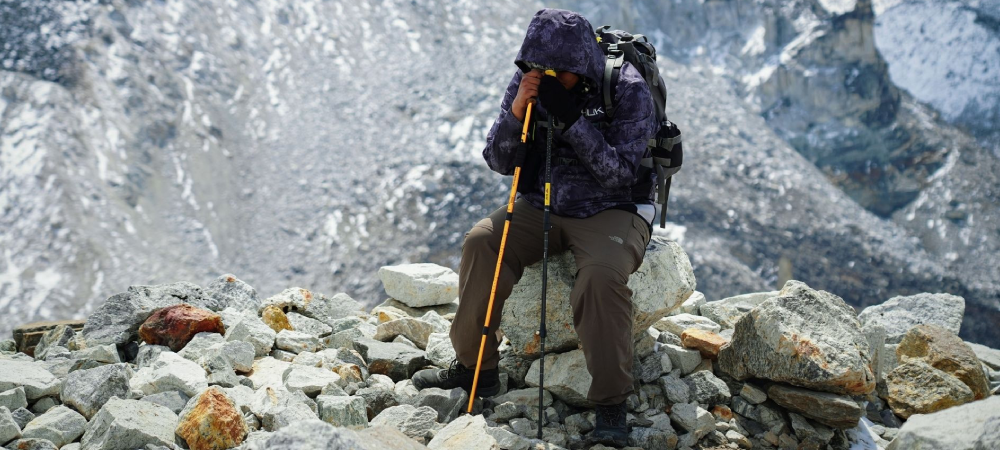
Kilimanjaro Altitude Sickness: Symptoms & Prevention
Climbing Mount Kilimanjaro is an incredible adventure, but one of the biggest challenges for first-time climbers is Kilimanjaro Sickness Symptoms and Prevention. Also known as Acute Mountain Sickness (AMS), it occurs when your body struggles to adjust to lower oxygen levels at high altitudes. Understanding the symptoms, causes, and preventive measures is essential for a safe and successful climb.
Altitude sickness can affect anyone, regardless of fitness level. Therefore, proper preparation, pacing, and awareness are critical, especially for beginners tackling Kilimanjaro’s higher camps and summit night.
What Is Kilimanjaro Altitude Sickness?
Altitude sickness occurs when your body cannot acclimatize quickly enough to the decreased oxygen at high elevations. Kilimanjaro’s summit, Uhuru Peak, reaches 5,895 meters (19,341 feet), which is high enough for symptoms to appear, particularly during rapid ascents or short itineraries.
There are three main types of altitude sickness:
- Mild AMS: Headaches, nausea, fatigue, and shortness of breath
- Moderate AMS: Dizziness, loss of appetite, vomiting, and insomnia
- Severe AMS / HACE / HAPE: Rare but life-threatening; involves confusion, fluid in lungs, severe shortness of breath
First-time climbers are most likely to experience mild to moderate AMS, which can be managed effectively with proper acclimatization and preventive strategies.
Common Symptoms of Kilimanjaro Altitude Sickness
Symptoms typically appear between 2,500–3,500 meters, becoming more pronounced above 4,000 meters. Key signs to watch for include:
- Headache that does not improve with rest or medication
- Nausea or vomiting
- Shortness of breath while at rest or during light activity
- Fatigue or weakness
- Dizziness or lightheadedness
- Insomnia or difficulty sleeping
- Swelling in hands, feet, or face
It is important to report any worsening symptoms to your guide immediately, as early recognition can prevent severe complications.
Causes of Altitude Sickness
The main cause of altitude sickness is rapid ascent without sufficient acclimatization. Other contributing factors include:
- Short itineraries with steep elevation gain (common on Marangu or Rongai routes)
- Dehydration or insufficient fluid intake
- Overexertion during trekking
- Pre-existing medical conditions such as asthma or heart disease
Routes that prioritize gradual altitude gain, like Lemosho Route or Northern Circuit Route, significantly reduce the risk of AMS. For route comparisons, see Kilimanjaro Routes Compared: Marangu vs Machame vs Lemosho.
Preventing Altitude Sickness on Kilimanjaro
While altitude sickness cannot always be completely avoided, several strategies can minimize risk and improve comfort:
- Climb Slowly: Walk “pole pole” (slowly) to allow the body to adjust gradually.
- Choose Longer Itineraries: Extra days at higher camps improve acclimatization.
- Stay Hydrated: Drink at least 3–4 liters of water per day.
- Avoid Alcohol and Smoking: These can worsen dehydration and altitude effects.
- Use Medication If Recommended: Some climbers benefit from acetazolamide (Diamox), but only under medical advice.
- Listen to Your Body: Rest when needed and notify guides of any concerning symptoms.
- Follow the “Climb High, Sleep Low” Principle: Gain altitude during the day but sleep at a lower camp.
Emergency Measures and When to Descend
In severe cases of altitude sickness, immediate descent is the most effective treatment. Signs that require urgent action include:
- Confusion or difficulty walking
- Severe shortness of breath at rest
- Persistent vomiting and dehydration
- Swelling of hands, feet, or face
Your guides are trained to recognize these signs and provide rapid intervention, including oxygen administration and emergency evacuation if necessary.
Final Thoughts: Stay Safe, Climb Smart
For first-time climbers, altitude sickness is a manageable challenge when approached with caution, proper pacing, and preventive strategies. Selecting routes with gradual acclimatization, staying hydrated, and monitoring symptoms ensures a safer and more enjoyable Kilimanjaro climb.
For beginner preparation, see Mount Kilimanjaro Climbing Guide for Beginners.
Plan Your Kilimanjaro Climb with Expert Guidance
If you are preparing for your first Kilimanjaro climb, our experienced team can help you design a safe, fully guided itinerary with proper acclimatization, ensuring maximum summit success.
Contact us for inquiries and custom climbing planning:
- Call: +255 689 500 614
- WhatsApp: +255 784 673 777
- Email: info@kiliholidays.com/ kiliholidaystours@gmail.com
Request a quote using the form below, and our Kilimanjaro specialists will provide a personalized altitude management and climbing plan.