
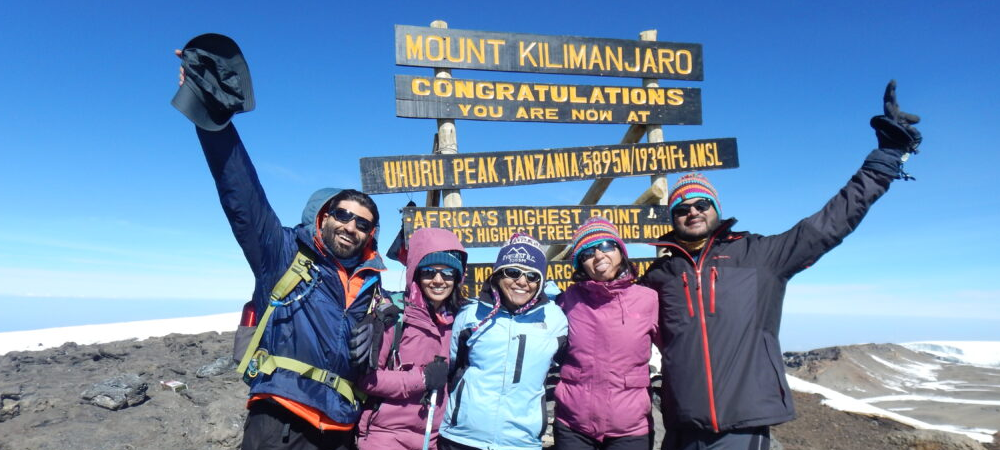
Kilimanjaro Summit Success Tips
Reaching the summit of Mount Kilimanjaro is the ultimate goal for many trekkers. While Kilimanjaro does not require technical climbing skills, reaching Uhuru Peak demands careful preparation, strategy, and patience. Many first-time climbers underestimate the challenges of altitude, weather, and pacing, which can affect their success.
This guide provides practical Kilimanjaro summit success tips to help you plan, acclimatize, and reach the top safely.
1. Choose the Right Route for Acclimatization
Route selection significantly affects your summit chances. Some routes ascend too quickly, increasing the risk of altitude sickness.
- Lemosho Route (7–8 days): Offers gradual acclimatization and scenic views. Ideal for first-timers.
- Northern Circuit Route (8–9 days): Longest route with the slowest ascent. Highest success rate.
- Machame Route (6–7 days): Popular and scenic, but requires good fitness.
Tip: Longer routes improve acclimatization and increase your chances of standing on Uhuru Peak. See Best Kilimanjaro Route for First-Time Climbers for more guidance.
2. Focus on Proper Acclimatization
Altitude is the biggest challenge on Kilimanjaro. Your body needs time to adapt to lower oxygen levels.
Strategies to improve acclimatization:
- Follow the “climb high, sleep low” principle
- Walk slowly using the Swahili phrase “pole pole” for pacing
- Drink plenty of water to stay hydrated
- Take rest days or optional acclimatization hikes on longer routes
Read our Kilimanjaro Altitude Sickness: Symptoms & Prevention guide to recognize and manage early warning signs.
3. Train Physically Before Your Trek
Even though Kilimanjaro is non-technical, your body needs endurance and strength to cope with long trekking days and summit night.
Training tips:
- Cardio exercises: running, cycling, or hiking
- Leg and core strength: squats, lunges, and step-ups
- Practice hikes with a loaded backpack
- Simulate long trekking days to condition your body
See our Kilimanjaro Training Plan for Beginners for a structured approach.
4. Pack Smart and Layer Properly
Weather on Kilimanjaro varies drastically from rainforest to summit. Proper gear improves comfort and performance.
Essential packing tips:
- Layer clothing for cold mornings, warm afternoons, and sub-zero summit nights
- Wear waterproof and breathable outer layers
- Bring extra gloves, hats, and thermal socks
- Carry snacks and water to maintain energy
Refer to Kilimanjaro Packing List (Updated Checklist) and Kilimanjaro Gear Guide: What You Really Need for a complete list.
5. Prioritize Nutrition and Hydration
Your energy and stamina directly impact summit success. Many climbers underestimate the importance of proper nutrition.
- Eat balanced meals at camp, including carbohydrates, proteins, and fats
- Carry energy bars, nuts, and chocolate for summit night
- Drink at least 3–4 liters of water per day
- Avoid excessive alcohol or caffeine, which can dehydrate
6. Respect Your Guide and Listen to Your Body
Your guides know the mountain’s challenges better than anyone. They monitor your pace, health, and weather conditions.
- Follow their instructions on speed, rest stops, and route adjustments
- Report any symptoms of altitude sickness immediately
- Don’t push yourself beyond safe limits
See Kilimanjaro Climbing Safety Tips for additional advice.
7. Mental Preparation Matters
Summit night is mentally demanding. Fatigue, cold, and limited oxygen can affect morale.
Mental strategies:
- Break the climb into small sections and focus on one step at a time
- Maintain a positive mindset and visualize reaching the summit
- Support and motivate fellow climbers in your group
Final Thoughts: Plan, Pace, and Persist
Reaching Uhuru Peak requires a combination of preparation, pacing, and resilience. By choosing the right route, training physically, acclimatizing properly, and listening to your guides, you greatly increase your chances of a safe and successful summit.
Plan Your Kilimanjaro Climb with Expert Guidance
If you are preparing for your first Kilimanjaro summit, our team helps you select the best route, train effectively, manage altitude, and climb safely.
Contact us for inquiries and custom climbing planning:
- Call: +255 689 500 614
- WhatsApp: +255 784 673 777
- Email: info@kiliholidays.com/ kiliholidaystours@gmail.com
Request a quote using the form below, and our Kilimanjaro specialists will create a personalized itinerary designed to maximize your summit success.