
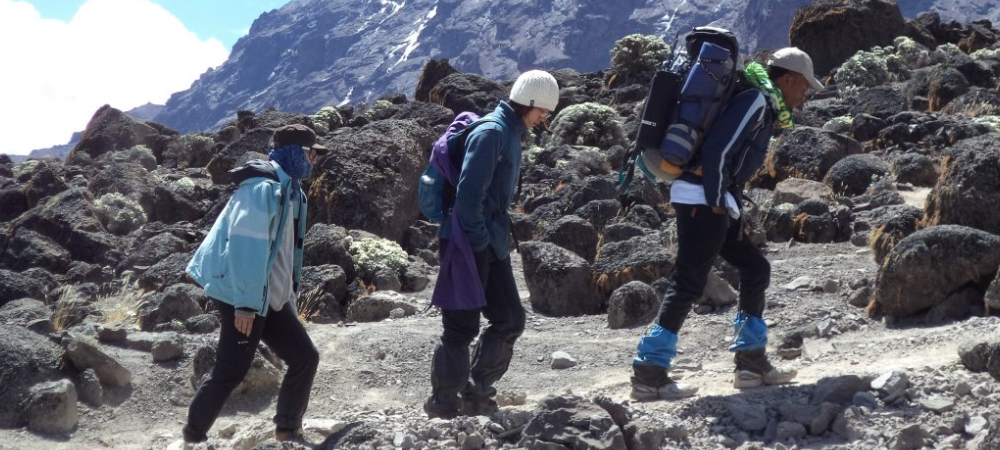
Kilimanjaro Training Plan for Beginners
A well-structured Kilimanjaro training plan for beginners is one of the most important factors in reaching the summit safely and confidently. Although Mount Kilimanjaro does not require technical climbing skills, the long trekking days, steep sections, and high altitude place serious demands on the body. Therefore, proper physical preparation is essential, especially for first-time climbers.
This guide explains how to train for Mount Kilimanjaro, focusing on endurance, strength, and mental readiness. With consistent training and the right approach, beginners can significantly improve comfort, stamina, and summit success.
Why Training Matters for a Kilimanjaro Climb
While many people assume fitness alone guarantees success, altitude and fatigue often challenge even experienced athletes. As a result, Kilimanjaro training should emphasize endurance, leg strength, and cardiovascular fitness, rather than speed or power.
In addition, training builds mental resilience. Long hiking days, cold temperatures, and summit night exhaustion require focus and determination. By preparing in advance, beginners reduce the risk of injury and enjoy the climb more fully.
How Long Should You Train for Kilimanjaro?
Ideally, beginners should start training 8 to 12 weeks before their climb. This timeframe allows gradual improvement without overtraining. However, even those with limited time can benefit from focused preparation if they remain consistent.
A balanced Kilimanjaro training plan includes:
- Cardio endurance
- Leg and core strength
- Hiking practice
- Flexibility and recovery
Weekly Kilimanjaro Training Plan Overview
1. Cardiovascular Endurance Training
Cardio workouts improve stamina and help the body use oxygen efficiently, which is critical at high altitude.
Recommended activities include:
- Brisk walking or hiking
- Stair climbing or hill training
- Cycling or swimming
- Jogging at a steady pace
Aim for 3–4 cardio sessions per week, starting with 30 minutes and gradually increasing to 60 minutes.
2. Strength Training for Kilimanjaro
Strength training helps protect joints and supports long trekking days with a backpack.
Focus on:
- Squats and lunges
- Step-ups (with or without weight)
- Deadlifts
- Core exercises such as planks and bridges
Complete 2–3 strength sessions per week, keeping movements controlled and focusing on proper form rather than heavy weights.
3. Hiking Practice with a Backpack
Hiking is the most important part of Kilimanjaro training. If possible, practice hiking on uneven terrain while carrying a backpack.
Tips for hiking training:
- Start with light weight and increase gradually
- Use trekking poles if you plan to bring them
- Practice walking slowly to simulate “pole pole” pace
- Train on hills or stairs to mimic elevation gain
Aim for one long hike each week, gradually increasing distance and elevation.
Flexibility, Recovery, and Injury Prevention
Stretching and recovery are often overlooked, yet they play a vital role in long-term performance. Tight muscles increase fatigue and raise the risk of injury.
Include:
- Light stretching after workouts
- Yoga or mobility exercises once per week
- Adequate sleep and rest days
Listening to your body during training ensures steady progress without setbacks.
Mental Preparation for Kilimanjaro
Physical fitness alone is not enough. Summit night is long, cold, and mentally demanding. Therefore, mental training is just as important.
To prepare mentally:
- Practice long-duration workouts
- Train in early mornings or bad weather
- Focus on slow, steady pacing
- Build confidence through consistency
Understanding that discomfort is temporary helps climbers stay focused and motivated.
Training Tips for First-Time Kilimanjaro Climbers
- Start training early and stay consistent
- Focus on endurance rather than speed
- Break in hiking boots during training
- Train with the gear you plan to use
- Avoid overtraining close to departure
For complete preparation, combine this training plan with a proper Kilimanjaro packing list and a route that allows good acclimatization, such as Lemosho Route or Northern Circuit Route.
Final Thoughts: Train Smart, Climb Strong
A realistic and consistent Kilimanjaro training plan for beginners builds confidence, improves stamina, and increases summit success. By focusing on endurance, strength, and mental preparation, first-time climbers can approach Mount Kilimanjaro feeling ready and capable.
Plan Your Kilimanjaro Climb with Expert Support
If you are preparing for your first Kilimanjaro climb, our experienced team can help you design a safe, fully guided itinerary and provide personalized advice on training, routes, and gear.
Contact us for inquiries and custom climbing planning:
- Call: +255 689 500 614
- WhatsApp: +255 784 673 777
- Email: info@kiliholidays.com/ kiliholidaystours@gmail.com
Request a quote using the form below, and our Kilimanjaro specialists will get back to you with a personalized training and climbing plan.