
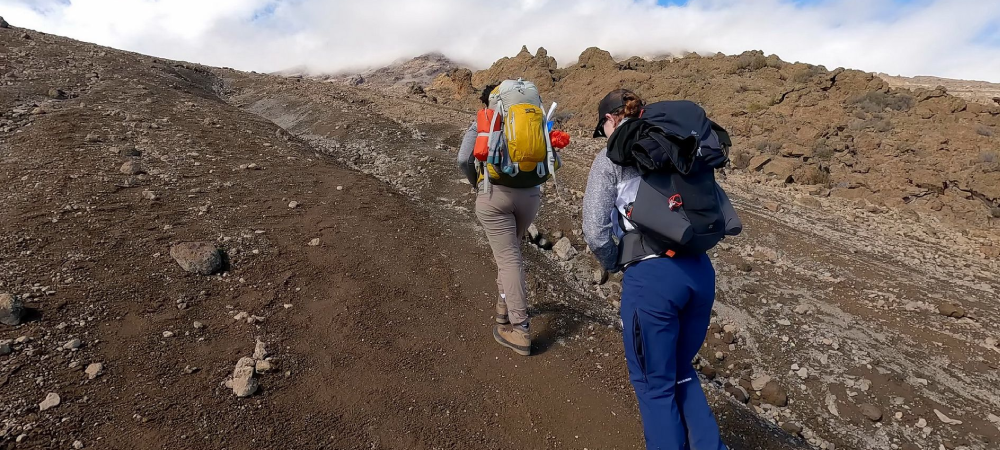
Northern Circuit Route: Ultimate Kilimanjaro Experience
The Northern Circuit Route is widely considered the most scenic and comprehensive way to climb Mount Kilimanjaro. Unlike other trails, it takes climbers around the northern side of the mountain, offering 360-degree panoramic views, extended acclimatization, and a higher summit success rate. For first-time climbers, the Northern Circuit Route combines adventure, safety, and a truly unforgettable trekking experience.
Because it is the longest route on Kilimanjaro, typically 8–9 days, it allows your body to adjust gradually to altitude. This reduces the risk of altitude sickness and maximizes the chance of reaching Uhuru Peak. Furthermore, the route traverses varied landscapes, from lush rainforest to alpine desert and glaciated summit zones, offering an unrivaled visual and trekking experience.
Why Choose the Northern Circuit Route?
To begin with, the Northern Circuit Route is ideal for climbers who want unparalleled views and a quieter trail. Unlike Machame or Marangu, which can be crowded, the Northern Circuit sees fewer trekkers due to its longer itinerary. In addition, the route follows the principle of “climb high, sleep low”, which is proven to aid acclimatization and increase summit success.
Moreover, this route approaches Kilimanjaro from multiple angles, allowing climbers to see both Kibo and Mawenzi Peaks from unique perspectives. For first-time climbers, this makes it not only a physically rewarding challenge but also a visually enriching experience.
Northern Circuit Route Overview: Duration, Difficulty & Success Rate
| Feature | Details |
|---|---|
| Duration | 8–9 days |
| Accommodation | Camping |
| Difficulty | Moderate to challenging |
| Summit Success Rate | 85–90% |
| Starting Point | Londorossi Gate or Nale Moru Gate |
| Highlights | Rainforest, Shira Plateau, Lava Tower, Barranco Wall, Kibo Summit, 360-degree views |
Because of its extended duration, the Northern Circuit Route provides more time for acclimatization compared to Machame or Marangu, making it one of the safest routes for first-time climbers.
Day-by-Day Northern Circuit Itinerary
Day 1: Londorossi Gate to Big Tree Camp
The trek begins at Londorossi Gate, leading through dense rainforest. Wildlife such as monkeys and birds may be spotted along the way. Overnight is at Big Tree Camp, where climbers can enjoy their first night in the mountain environment.
Day 2: Big Tree Camp to Shira 1 Camp
Climbers ascend gradually toward the Shira Plateau, passing scenic moorland and lava formations. This section allows for gentle acclimatization and beautiful photography opportunities.
Day 3: Shira 1 Camp to Shira 2 Camp
The trail continues across the plateau, offering expansive views of Kilimanjaro’s northern face. Acclimatization remains the focus, as climbers prepare for higher altitude zones.
Day 4: Shira 2 Camp to Moir Hut via Lava Tower
This day includes the challenging Lava Tower climb, followed by descent to Moir Hut for rest. The gradual climb and descent provide excellent altitude adjustment.
Day 5: Moir Hut to Third Cave Camp (Barranco)
Climbers traverse alpine desert terrain and approach Barranco Wall, a scenic scrambling section. Overnight is at Third Cave Camp, where the body continues to adapt to altitude.
Day 6: Third Cave Camp to Karanga Camp
A shorter trekking day through rocky terrain allows additional rest and acclimatization before the summit push.
Day 7: Karanga Camp to Barafu Camp
Reaching Barafu Camp, climbers prepare for midnight summit ascent, ensuring proper hydration and gear readiness.
Day 8: Summit Day – Barafu Camp to Uhuru Peak, Descend to Mweka Camp
The summit attempt begins around midnight. Climbers ascend to Gilman’s Point and continue to Uhuru Peak, witnessing sunrise over the African continent. After the summit, descent to Mweka Camp allows recovery in the rainforest.
Day 9: Mweka Camp to Mweka Gate
The final day concludes the trek with a descent to Mweka Gate. Certificates are awarded to celebrate the achievement.
Northern Circuit Route Difficulty and First-Time Climber Tips
The Northern Circuit Route is moderate to challenging, particularly on summit night. First-time climbers should:
- Maintain a slow and steady pace, walking pole pole to conserve energy.
- Hydrate frequently and carry snacks for energy.
- Layer clothing for cold summit temperatures.
- Use trekking poles to navigate rocky sections safely.
- Listen carefully to guides for safe acclimatization practices.
For beginner preparation, see Mount Kilimanjaro Climbing Guide for Beginners.
Best Time to Climb the Northern Circuit Route
The Northern Circuit Route is accessible year-round, but optimal months include:
- January–February – Warm, clear skies and fewer crowds
- June–October – Dry season with excellent summit conditions
Its northern approach ensures relatively drier trails compared to southern routes during off-peak months.
Who Should Choose the Northern Circuit Route?
The Northern Circuit Route is ideal for:
- First-time climbers seeking gradual acclimatization
- Adventure seekers wanting 360-degree Kilimanjaro views
- Trekkers looking for quieter trails
- Climbers willing to commit 8–9 days for the ultimate experience
It may not be suitable for travelers with tight schedules or budget constraints, given its longer duration and camping requirements.
Final Thoughts: Why Northern Circuit Is the Ultimate Kilimanjaro Experience
In summary, the Northern Circuit Route offers the ultimate combination of scenic beauty, gradual acclimatization, and summit success. Its extended itinerary, quieter trails, and unique perspectives of Kilimanjaro make it perfect for first-time climbers seeking both adventure and safety.
Plan Your Northern Circuit Kilimanjaro Climb
If you are planning to climb Mount Kilimanjaro via the Northern Circuit Route, our experienced team can help you design a fully guided, safe, and personalized itinerary.
Contact us for inquiries and custom climbing planning:
- Call: +255 689 500 614
- WhatsApp: +255 784 673 777
- Email: info@kiliholidays.com/ kiliholidaystours@gmail.com
Request a quote using the form below, and our specialists will provide a personalized Northern Circuit Kilimanjaro climbing plan.