
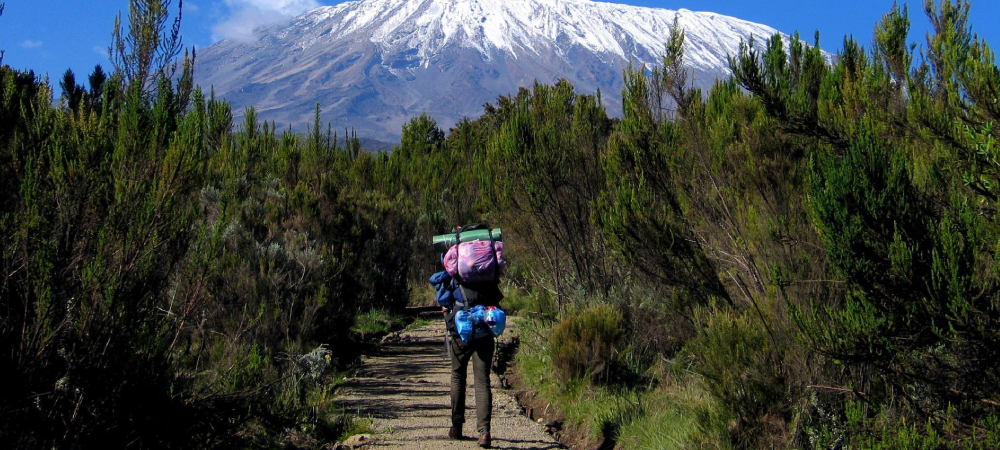
Rongai Route: Quiet Kilimanjaro Route Explained
The Rongai Route is one of the lesser-known trails on Mount Kilimanjaro, offering a quieter and more peaceful climbing experience compared to busier routes like Machame or Marangu. This route starts from the northern side of Kilimanjaro, close to the Kenyan border, which provides a unique perspective of the mountain. For first-time climbers, Rongai is an excellent choice because it combines moderate difficulty, gradual altitude gain, and fewer crowds.
Unlike other routes, Rongai maintains a more remote and serene environment, allowing trekkers to enjoy the natural beauty without the frequent interruptions of larger groups. This guide explains everything you need to know about the Rongai Route, including its itinerary, difficulty, best season, and who it is suitable for.
Why Choose the Rongai Route on Mount Kilimanjaro?
To begin with, the Rongai Route is ideal for climbers who prefer tranquility and less crowded trails. While it is slightly longer than Marangu in distance, the trail’s gradual ascent improves altitude acclimatization, which is crucial for first-time climbers. Furthermore, Rongai’s unique approach offers views of Kilimanjaro that cannot be seen from other routes.
In addition, Rongai is less affected by rainy season conditions compared to southern trails. As a result, climbers attempting the trek in off-peak months can still enjoy relatively dry trails. For first-time climbers, this adds an element of safety and comfort during the ascent.
Rongai Route Overview: Duration, Difficulty, and Accommodation
| Feature | Details |
|---|---|
| Duration | 6–7 days |
| Accommodation | Camping |
| Difficulty | Moderate |
| Summit Success Rate | 75–80% |
| Starting Point | Rongai Gate (North Side) |
| Highlights | Remote trails, Kilimanjaro’s northern views, Lava Tower, Kibo Summit |
Compared to shorter routes, the Rongai Route allows climbers more gradual elevation gain, which contributes to a higher likelihood of reaching the summit.
Rongai Route Day-by-Day Itinerary
Day 1: Rongai Gate to Simba Camp
Climbers start at Rongai Gate and hike through lush forested terrain. This section is generally gentle, helping climbers adjust to altitude gradually. Overnight is at Simba Camp.
Day 2: Simba Camp to Second Cave Camp
The trail continues upward into alpine desert terrain. Wildlife sightings are possible along the route, and the landscape opens with expansive views of Kilimanjaro’s northern slopes. Overnight is at Second Cave Camp.
Day 3: Second Cave Camp to Kikelewa Camp
As the trek progresses, climbers experience a gradual increase in elevation, which improves acclimatization. Kikelewa Camp provides spectacular views of the Shira Plateau.
Day 4: Kikelewa Camp to Mawenzi Tarn Camp via Mawenzi Ridge
This is a moderate trekking day through rocky terrain with dramatic scenery. Climbers gain further altitude while preparing for the summit push.
Day 5: Summit Day – Mawenzi Tarn Camp to Uhuru Peak
The summit attempt begins around midnight. Trekkers ascend through scree fields and glaciers to Gilman’s Point, then continue to Uhuru Peak, the highest point in Africa. After summiting, the descent begins toward Kibo or Simba Camp depending on the itinerary.
Day 6: Descent to Rongai Gate
The final day involves descending through moorland and forest, ending at Rongai Gate. Certificates are usually presented to commemorate the achievement.
Rongai Route Difficulty and First-Time Climber Tips
The Rongai Route is moderate in difficulty, but first-time climbers should be aware that the summit night is demanding due to altitude and cold temperatures.
Tips for Beginners:
- Maintain a steady pace,walk pole pole (slowly) to conserve energy.
- Stay hydrated and eat regularly to sustain stamina.
- Layer clothing for varying temperatures, particularly for summit night.
- Use trekking poles for stability on rocky sections.
- Listen to your guide, as altitude acclimatization is key to reaching Uhuru Peak safely.
For more beginner guidance, see Mount Kilimanjaro Climbing Guide for Beginners.
Best Time to Climb the Rongai Route
The Rongai Route can be climbed year-round, but the most favorable months are:
- January–February: Warm temperatures and clear skies
- June–October: Dry season, optimal for summit success
Due to its northern approach, Rongai is slightly drier during off-peak months, which makes it a safer option during the short rainy season.
Who Should Choose the Rongai Route?
The Rongai Route is perfect for:
- First-time Kilimanjaro climbers seeking quiet trails
- Travelers prioritizing acclimatization and safety
- Climbers wanting less crowded trekking experience
- Those who enjoy scenic northern views of Kilimanjaro
It may be less suitable for travelers looking for huts instead of camping or for those seeking maximum trail variety.
Final Thoughts: Is the Rongai Route Right for You?
In summary, the Rongai Route offers a peaceful, scenic, and moderately challenging climb, making it ideal for first-time climbers. Its gradual ascent enhances acclimatization, while its northern approach provides unique perspectives of Kilimanjaro. If you value a quieter route and a higher chance of summit success, Rongai is an excellent choice.
Plan Your Rongai Route Kilimanjaro Climb
If you are planning a climb via the Rongai Route, our experienced team can design a safe, fully guided, and well-paced itinerary for you.
Contact us for inquiries and custom climbing planning:
- Call: +255 689 500 614
- WhatsApp: +255 784 673 777
- Email: info@kiliholidays.com/ kiliholidaystours@gmail.com
Request a quote using the form below, and our specialists will provide a personalized Rongai Route Kilimanjaro climbing plan.