
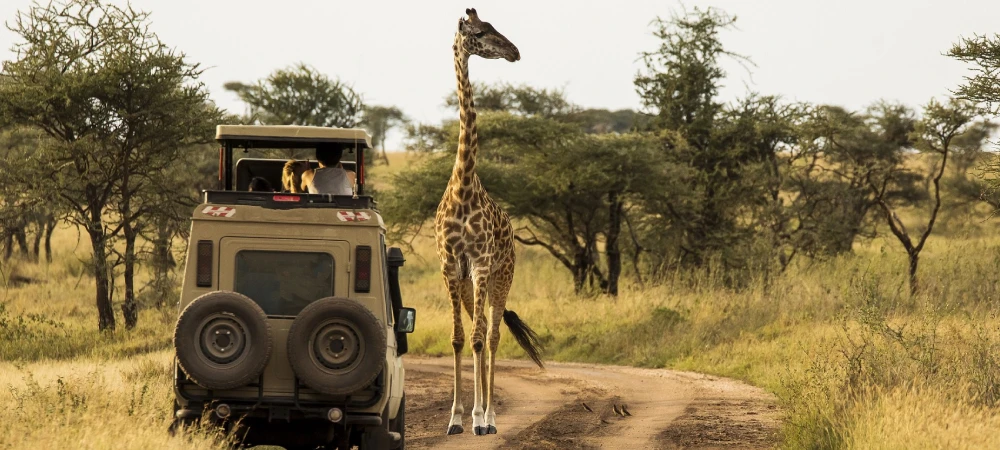
Tanzania Safari Conservation Efforts Explained
A Tanzania safari is not only about experiencing breathtaking wildlife and landscapes, it also showcases the country’s commitment to conservation efforts. Tanzania is home to some of Africa’s most iconic species, including lions, elephants, rhinos, and wildebeest. Protecting these animals, their habitats, and ecosystems ensures future generations can enjoy the same incredible safari experiences.
In this guide, Kiliholidays Tour and Safari explains the key conservation initiatives in Tanzania, their importance, and how travelers can support sustainable tourism while exploring national parks and wildlife reserves.
Tanzania Safari Conservation Efforts Explained-National Parks and Wildlife Protection in Tanzania
Tanzania has established over 16 national parks and several conservation areas, including Serengeti, Ngorongoro, Tarangire, and Ruaha. These parks serve as protected habitats for the Big Five, migratory species, and endangered animals.
Rangers and park authorities work tirelessly to:
- Monitor wildlife populations
- Prevent poaching and illegal hunting
- Maintain habitat quality and water sources
By visiting these parks, travelers contribute directly to conservation through park fees and permits.
Tanzania Safari Conservation Efforts Explained-Anti-Poaching and Wildlife Protection Programs
Poaching remains a significant threat to elephants, rhinos, and other endangered species. Tanzania’s anti-poaching initiatives include:
- Well-trained ranger patrols
- Community-based reporting networks
- Advanced surveillance technology such as drones and GPS tracking
These programs help ensure your Tanzania safari is both safe and ethically responsible while preserving wildlife for future visitors.
Community-Based Conservation Efforts
Many Tanzanian conservation projects involve local communities. By engaging villages near national parks, these programs:
- Provide alternative income through tourism and crafts
- Educate locals on sustainable wildlife management
- Reduce human-wildlife conflicts
As a result, tourists on safari contribute to both wildlife protection and community development.
Tanzania Safari Conservation Efforts Explained-Migration and Ecosystem Preservation
The Great Migration in Serengeti National Park is one of the most spectacular wildlife events globally. Conservationists work to:
- Protect migration corridors from human encroachment
- Maintain natural water sources and grazing areas
- Monitor predator-prey balance
Sustainable tourism practices ensure that this natural wonder remains intact for years to come.
Eco-Friendly Safari Lodges and Camps
Many safari lodges and tented camps adopt eco-friendly practices, including:
- Solar power and energy-efficient systems
- Waste reduction and recycling programs
- Water conservation and responsible sourcing of food
Choosing lodges that prioritize sustainability enhances your safari experience while supporting Tanzania’s conservation mission.
How Travelers Can Support Conservation on Safari
- Pay park fees and entry permits – funds go directly to wildlife management.
- Choose responsible tour operators – like Kiliholidays, who prioritize sustainability.
- Respect wildlife rules – stay in vehicles, avoid feeding animals, and follow guides’ instructions.
- Support local communities – buy crafts, visit cultural villages, and use local services.
- Reduce environmental footprint – avoid single-use plastics and minimize waste during your trip.
By following these practices, your Tanzania safari contributes positively to conservation efforts.
Book Your Tanzania Safari and Support Conservation
A Tanzania safari allows you to witness wildlife up close while supporting critical conservation initiatives. At Kiliholidays Tour and Safari, we design personalized itineraries that balance incredible wildlife encounters with responsible tourism practices. By choosing us, your safari directly contributes to the protection of Tanzania’s unique ecosystems and communities.
Contact us for inquiries and custom safari planning:
- Call: +255 689 500 614
- WhatsApp: +255 784 673 777
- Email: info@kiliholidays.com/ kiliholidaystours@gmail.com
Request a quote using the form below for inquiries, and our safari specialists will get back to you with a personalized Tanzania safari plan that supports conservation while delivering unforgettable wildlife experiences.