
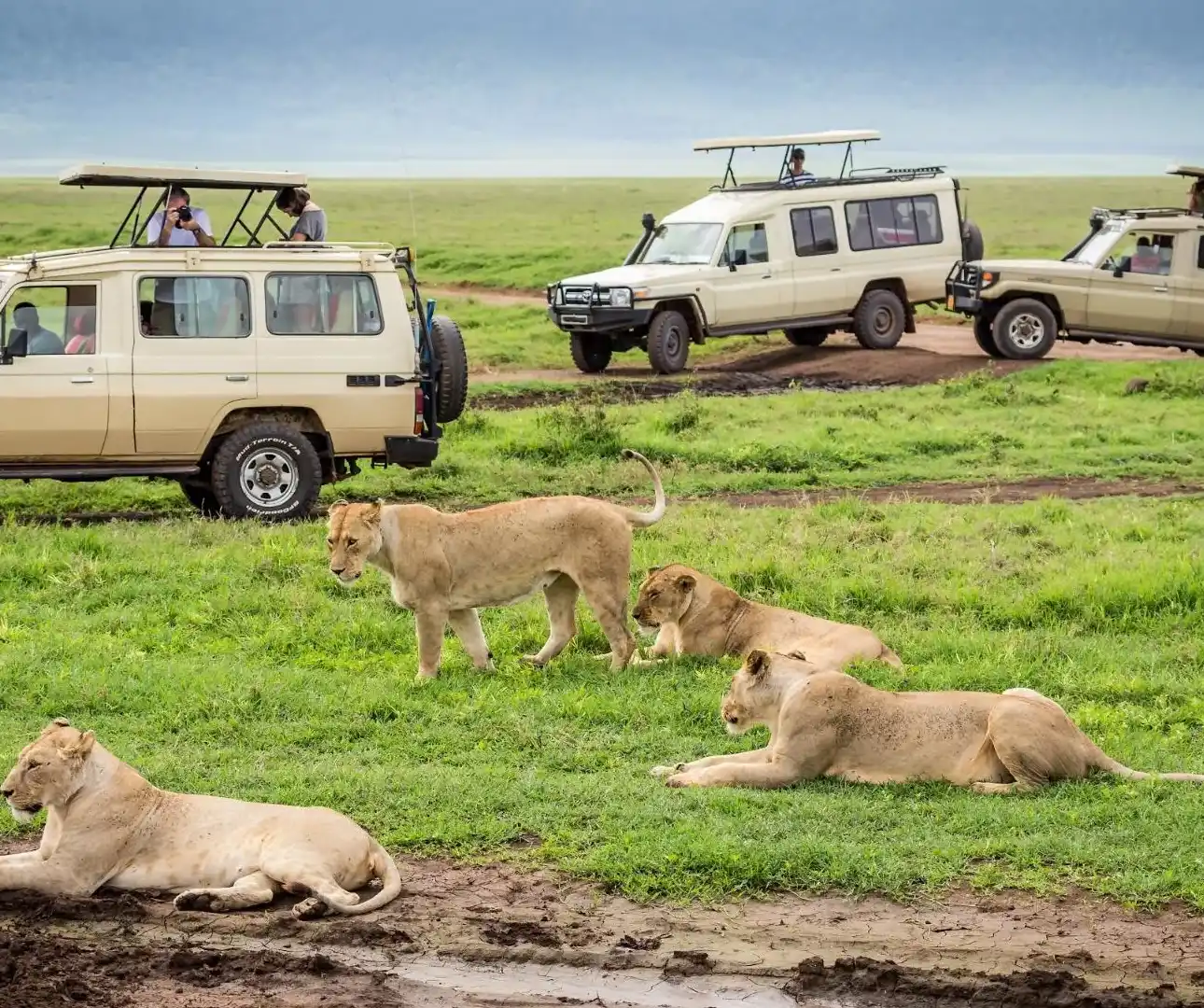
Tanzania Safari Starting from Dar Es Salaam
Introduction: Why Start Your Safari in Dar Es Salaam?
Located on the Indian Ocean coast, Dar Es Salaam (also spelled Dar es Salaam) is Tanzania’s largest city and one of its most vibrant travel gateways for the Southern Tanzania Safaris. While most safari travelers fly into Kilimanjaro International Airport for Tanzania Camping Safaris , Lodge Safaris and Luxury Safaris, beginning your safari from Dar Es Salaam offers a unique combination of culture, coastlines, and wilderness adventure. From bustling markets and historical sites to pristine National Parks and iconic wildlife destinations, a Dar Es Salaam safari blends authentic African culture with world-class wildlife viewing.
Whether you are a first-time traveler or a seasoned safari lover, this guide will take you through a detailed, unforgettable itinerary starting in Dar Es Salaam, perfect for wildlife enthusiasts, couples, families, and adventurous explorers.
Getting There: Arriving in Dar Es Salaam
Your safari journey begins in Dar Es Salaam, which is served by Julius Nyerere International Airport (JNIA). Most major international airlines offer direct and connecting flights to Dar Es Salaam from Europe, Asia, the Middle East, and Africa. Once you arrive, you’ll be greeted by warm tropical air, swaying palm trees, and colorful city life.
Before your safari adventure begins, it’s worth spending a day or two exploring Dar’s cultural highlights:
- Askari Monument – iconic city landmark.
- National Museum of Tanzania – exhibits on history and natural heritage.
- Kariakoo Market – a bustling local market full of spices, crafts, and street food.
- Coco Beach / Oysterbay – relaxed seaside spots for sunset views.
After a night in Dar Es Salaam or nearby Saigon-Road hotels, your safari adventure continues inland toward Tanzania’s famed wildlife areas.
Day 1: Dar Es Salaam to Mikumi National Park First Game Drives
Your safari starts with a scenic drive from Dar Es Salaam to Mikumi National Park, one of Tanzania’s most accessible parks from the coast.
What Makes Mikumi Special?
Mikumi is often called “Little Serengeti” due to its open plains, acacia woodland, and impressive wildlife. The park is part of the larger Selous-Mikumi Ecosystem, home to diverse animals and birdlife. Although smaller than Serengeti, Mikumi offers excellent wildlife viewing with fewer crowds — ideal for early safari days.
Wildlife You Can See
On your game drive today, keep an eye out for:
- Lions and leopards
- Cape buffalo
- Giraffes
- Zebras and wildebeests
- Elephants
- Spotted hyenas
- Over 400 bird species
Overnight
After an afternoon of game driving, you will spend your first night near the park in a campsite or a lodge-style camp for a mix of comfort and adventure.
Day 2: Mikumi to Udzungwa Mountains – Forests & Waterfalls
Today’s drive takes you toward Udzungwa Mountains National Park, a hidden gem in Tanzania’s Southern Highlands. Unlike classic savannah parks, Udzungwa offers lush rainforests, waterfalls, and rare wildlife.
What to Expect
Udzungwa is known for:
- Hiking Trails – from easy walks to steep rainforest treks
- Sanje Falls – impressive waterfall with swimming pools
- Endemic Wildlife – including the Iringa red colobus monkey and Udzungwa forest partridge
This day is perfect for travelers who love nature, birding, and exploring landscapes off the traditional safari path.
Overnight
You will stay at a forest lodge near Udzungwa, where you can enjoy dinner with forest sounds all around.
Day 3: Udzungwa to Ruaha National Park – True Wilderness
From Udzungwa, your safari continues to Ruaha National Park, one of Tanzania’s largest and wildest parks. Ruaha offers a true off-the-beaten-path safari experience with dramatic landscapes, large elephant herds, and rare predators.
Highlights of Ruaha
- One of Africa’s largest elephant populations
- Huge buffalo and wildebeest numbers
- Lions, leopards, cheetahs
- Wild dogs, giraffes, hippos
- Red-earth landscapes with Baobab-dotted plains
Today’s game drives may include dry riverbeds, rocky kopjes, and classic savannah plains. Ruaha is ideal for travelers who want authentic bush experiences with fewer vehicles and more solitude.
Overnight
Tonight, enjoy a night at a campsite or safari lodge inside or near Ruaha.
Day 4: Ruaha to Selous Game Reserve (Nyerere NP)
On Day 4, your safari continues to the Nyerere National Park (formerly Selous Game Reserve), one of the largest protected wildlife areas in Africa. This UNESCO World Heritage Site spans vast woodland, rivers, and floodplains that sustain rich biodiversity.
Selous Highlights
- Boat safaris on the Rufiji River
- Walking safaris
- Uncrowded game drives
- Hippos, crocodiles, elephants, wild dogs
A boat safari on the Rufiji River gives you a unique perspective — expect close views of hippos, crocodiles basking on riverbanks, and elephants coming to drink.
Overnight
You will camp near the river or stay in a rustic safari camp for a true wilderness experience.
Day 5: Fly to Northern Tanzania – Serengeti Awaits
After breakfast, you will take a short charter flight to northern Tanzania (often to Serengeti airstrips like Seronera, Kogatende, or Grumeti depending on season and route). Domestic flights are an excellent way to cover long distances and maximize safari time.
Why the Northern Safari Circuit?
Northern Tanzania is home to the most iconic safari destinations:
- Serengeti National Park – endless plains and the Great Migration
- Ngorongoro Crater – world’s largest intact volcanic caldera
- Tarangire National Park – massive elephant herds and baobabs
- Lake Manyara National Park – tree-climbing lions & flamingos
Your flight marks the start of the classic northern safari loop.
Day 6: Serengeti National Park – First Full Day Game Drive
Today is all about exploring the iconic Serengeti — a UNESCO World Heritage Site and one of Africa’s most famous wildlife sanctuaries.
What Makes Serengeti Special
- Year-round resident wildlife (lions, leopards, elephants, giraffes, zebras)
- Major seasonal migration
- Endless plains perfect for photography
- River crossings (during migration months)
You will enjoy full-day game drives, picnic lunches in the bush, and expert guiding to help you spot predators, big herbivores, and rare bird species.
Overnight
Stay at a campsite or luxury tented camp in the Seronera (central) area for prime wildlife viewing.
Day 7: Serengeti Big Migration or Eastern Plains Safari
Depending on the season, you may focus your game drives on areas where the migration herds are active. The Serengeti ecosystem’s movement shifts throughout the year:
- Jan–Mar: Southern Serengeti (calving season)
- Apr–May: Western corridors
- Jun–Jul: Grumeti River
- Aug–Oct: Northern Serengeti (Mara River crossings)
- Nov–Dec: Eastern plains
Your guide will tailor the route each day to maximize wildlife sightings based on current conditions.
Day 8: Ngorongoro Crater – Wildlife Wonderland
Today you will descend into the Ngorongoro Crater, one of the world’s most remarkable wildlife destinations.
Why Ngorongoro Is Special
- Over 25,000 animals in one caldera
- Black rhinos, lions, elephants, wildebeest, zebras, hyenas
- Highest wildlife density in Africa
- Scenic crater rim views
Your crater tour includes a full-day game drive with a picnic lunch inside the caldera. Wildlife concentrations here are extraordinary, and the landscape is breathtaking.
Overnight
You will stay near the crater rim, enjoying sunset views over the caldera.
Day 9: Tarangire National Park – Baobabs & Elephant Herds
Your final park visit takes you to Tarangire National Park, famous for its massive elephant populations and iconic baobab trees.
Highlights
- Elephants in large herds along the Tarangire River
- Giraffes, zebras, buffalo
- Birdlife (over 550 species)
- Distinct seasonal swamps
This park offers a different safari pace — rugged, wild, and verdant.
Day 10: Return to Arusha & Departure
After a final breakfast in the bush, you will begin your return to Arusha, northern Tanzania’s safari hub. From here, you can catch flights home via Kilimanjaro International Airport or continue onward to Zanzibar, beach resorts, or other destinations.
Safari Tips for Traveling from Dar Es Salaam
Best Time to Go
- June–October: Dry season; best wildlife viewing
- January–March: Calving season in Serengeti
- November–December: Green season; fewer crowds, lush landscapes
What to Pack
- Lightweight, neutral clothing
- Sun hat, sunscreen, sunglasses
- Binoculars & camera
- Insect repellent
- Comfortable walking shoes
Safari Health & Safety
- Carry malaria prophylaxis (consult travel clinic)
- Stay hydrated
- Listen to your guide during wildlife encounters
Summary: Why It’s Unforgettable
Starting your Tanzania safari from Dar Es Salaam combines culture, coast, and wildlife in one epic journey. From the ocean breeze of Dar to the untamed plains of the Serengeti and the crater depths of Ngorongoro, this adventure offers:
✔ Diverse ecosystems
✔ Iconic wildlife sightings
✔ Authentic African culture
✔ Flexible safari experiences
✔ Memories that last a lifetime