
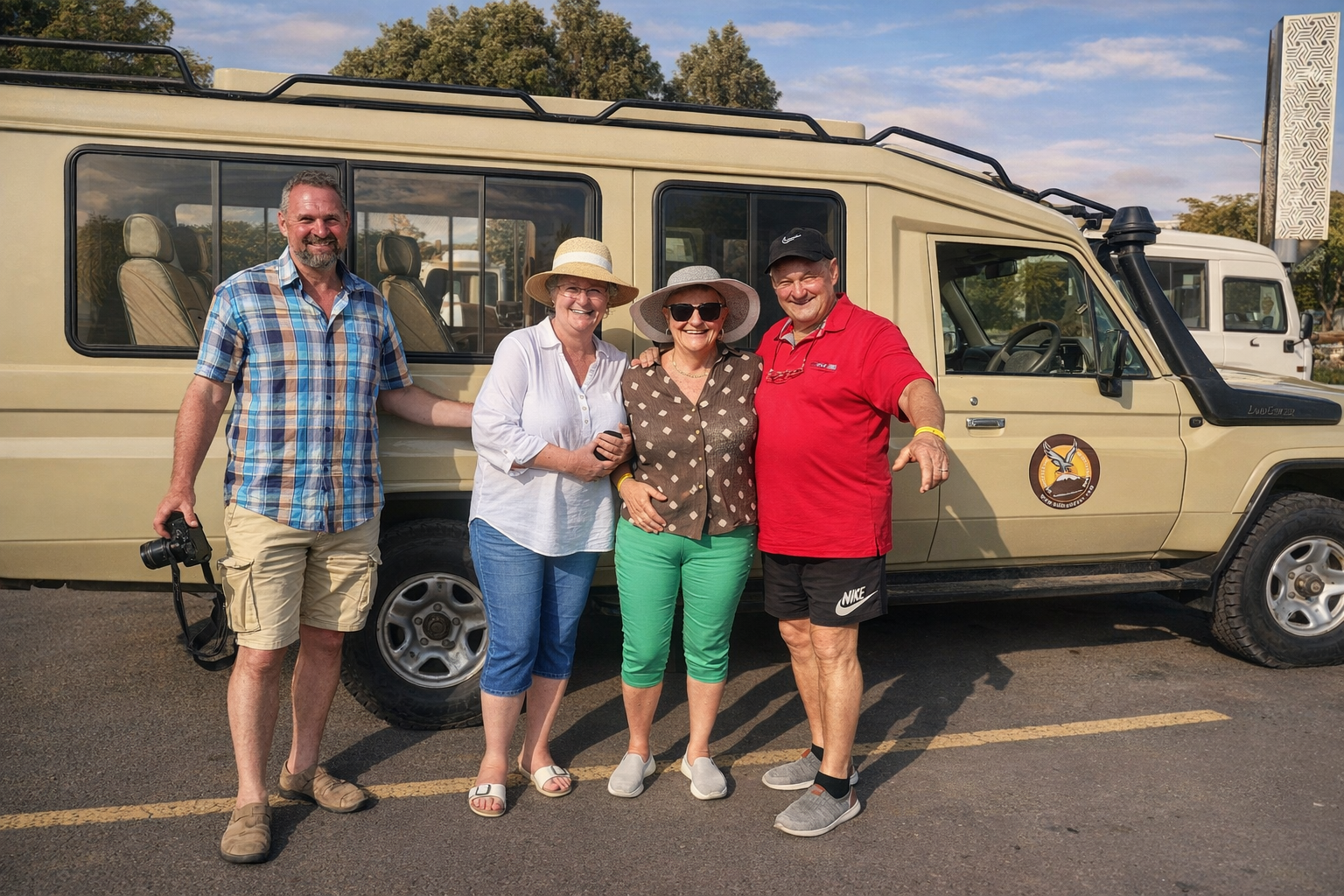
Tanzania Safari That Avoids the Crowds
Dreaming of an African safari without dozens of vehicles surrounding every lion sighting? A Tanzania safari that avoids the crowds is not only possible — it can be even more authentic, exclusive, and rewarding.
While famous parks like Serengeti National Park and Ngorongoro Crater attract global attention, Tanzania is vast. With the right planning, timing, and location choices, you can enjoy incredible wildlife encounters in near solitude.
This detailed guide explains how to experience a crowd-free Tanzania safari, where to go, when to travel, and how to design a quieter, more immersive adventure.
Why Avoid the Crowds on Safari?
A safari is about connection — with nature, wildlife, and Africa’s wild rhythm. Large vehicle clusters can sometimes reduce that sense of wilderness.
Choosing a low-crowd safari offers:
- More intimate wildlife encounters
- Better photography opportunities
- Flexible game drive schedules
- Less vehicle congestion around sightings
- A stronger sense of exclusivity
- Deeper connection with your guide
Tanzania offers multiple ways to design a peaceful safari without sacrificing wildlife quality.
Best Places in Tanzania for a Low-Crowd Safari
1. Southern Serengeti (Green Season Gem)
While central Serengeti can be busy during peak migration months, the southern Serengeti plains remain quieter — especially from January to March during calving season.
Benefits:
- Fewer vehicles compared to river-crossing areas
- Massive wildebeest herds
- High predator activity
- Open plains with dramatic scenery
This region offers world-class wildlife without peak-season congestion.
2. Western Serengeti (Grumeti Area)
The western corridor is less visited outside migration months. Here you’ll find:
- Riverine forests
- Crocodile habitats
- Lions and leopards
- Exclusive camps
Fewer camps mean fewer vehicles — ideal for travelers seeking privacy.
3. Northern Serengeti (Outside River Crossing Weeks)
The northern region near the Mara River becomes busy during dramatic river crossings (July–September). However, outside those specific weeks, it is remarkably peaceful.
Wide-open landscapes and dispersed wildlife provide a tranquil safari environment.
4. Ruaha National Park – Tanzania’s Hidden Treasure
For a truly off-the-beaten-path safari, head south to Ruaha National Park.
Why Ruaha?
- Fewer visitors compared to Serengeti
- Massive lion prides
- Rare species like African wild dogs
- Dramatic baobab landscapes
Ruaha offers a raw, untouched wilderness feel.
5. Nyerere National Park (Former Selous Game Reserve)
Another exceptional low-traffic safari destination is Nyerere National Park.
This park is:
- One of Africa’s largest protected areas
- Known for boat safaris
- Rich in elephants and hippos
- Extremely uncrowded
If privacy is your top priority, this is a strong choice.
Best Time for a Crowd-Free Tanzania Safari
Timing plays a major role in avoiding safari traffic.
1. Green Season (March – May)
Advantages:
- Lush landscapes
- Dramatic skies for photography
- Fewer tourists
- Lower accommodation rates
Wildlife remains excellent, though some roads may be muddy.
2. Shoulder Season (November & Late March)
Short rains bring:
- Migratory birds
- Fewer vehicles
- Good predator activity
This is a smart compromise between wildlife quality and quietness.
3. Avoid Peak Migration River Crossings
If you want to avoid crowds:
- Skip peak Mara River crossing weeks
- Choose southern Serengeti during calving season instead
How to Design a Private, Low-Crowd Safari
Choose Private Game Drives
A private safari vehicle allows:
- Flexible departure times
- Staying longer at sightings
- Avoiding busy areas
- Exploring quieter regions
Stay Inside the Park
Lodges and camps located inside Serengeti National Park or private concessions allow early morning and late afternoon drives when most vehicles are absent.
Select Smaller Camps
Boutique tented camps with 8–12 tents:
- Host fewer guests
- Maintain exclusivity
- Offer personalized service
Consider Walking Safaris
In southern parks like Ruaha National Park, guided walking safaris allow you to explore wildlife areas on foot — a unique and peaceful experience.
Suggested 7-Day Low-Crowd Tanzania Safari Itinerary
Day 1: Arrival in Arusha
Overnight in a quiet lodge.
Day 2–3: Tarangire National Park
Explore lesser-known corners of Tarangire National Park known for elephants and baobabs.
Day 4–5: Southern Serengeti
Focus on calving season wildlife and predator activity.
Day 6: Ngorongoro Highlands
Rather than descending early with the crowds, explore scenic highland areas.
Day 7: Departure or Zanzibar Extension
Wildlife You Can Expect (Without the Traffic)
Even on quieter routes, you can see:
- Lions
- Leopards
- Elephants
- Buffalo
- Giraffes
- Zebras
- Wildebeest
- Hyenas
- Hippos
- Cheetahs
The Big Five are still very possible — just without 20 vehicles around them.
Luxury vs. Mid-Range for Quiet Safaris
Luxury Safaris
- Private concessions
- Fewer vehicles per sighting
- Higher exclusivity
Mid-Range Safaris
- Excellent wildlife
- Affordable
- Slightly more vehicle presence in popular areas
Choosing location matters more than price.
Practical Tips for Avoiding Safari Crowds
- Travel outside July–September peak
- Avoid public holidays
- Choose remote regions
- Start game drives early
- Book with Kiliholidays who knows quiet routes
- Consider fly-in safaris to remote parks
Why Tanzania Is Perfect for a Peaceful Safari
Tanzania’s vast protected areas allow wildlife to roam freely across millions of hectares. Unlike smaller parks elsewhere, Tanzania provides space — both for animals and travelers.
From the open plains of Serengeti National Park to the wild landscapes of Ruaha National Park, it’s possible to find solitude in nature.
With thoughtful planning, your safari can feel private, immersive, and deeply authentic.
Final Thoughts: The Art of a Crowd-Free Safari
A Tanzania safari that avoids the crowds isn’t about skipping famous parks — it’s about:
- Smart timing
- Choosing the right regions
- Staying in smaller camps
- Using experienced guides
- Traveling during shoulder seasons
The reward?
Golden silence.
Lion roars without engines in the background.
Elephants crossing the plains with no other vehicles in sight.
That’s the magic of a well-planned, low-crowd Tanzania safari.