3-Day Test of Tanzania Safari

3 Days 2 Nights

3-Day Test of Tanzania Safari

Overview

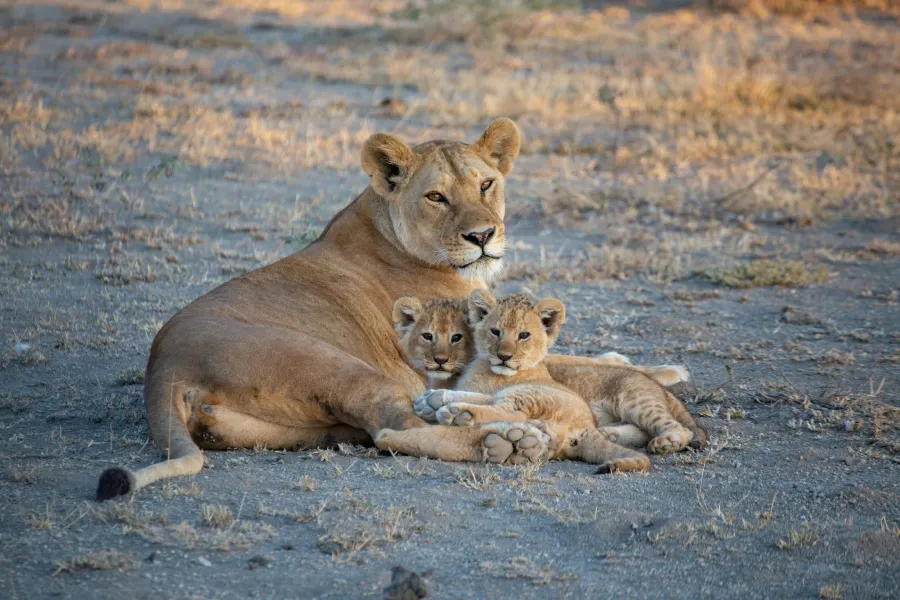
During the safari, explore renowned destinations such as Tarangire National Park and the Ngorongoro Crater. Meanwhile, enjoy morning and afternoon game drives that offer multiple opportunities to spot lions, elephants, giraffes, zebras, and countless other species. In addition, you will capture stunning photographs, observe dramatic landscapes, and gain unique insights into Tanzania’s diverse ecosystems. This compact itinerary balances thrilling adventure with moments of relaxation, making it perfect for short but impactful trips.

3-Day Test of Tanzania Safari

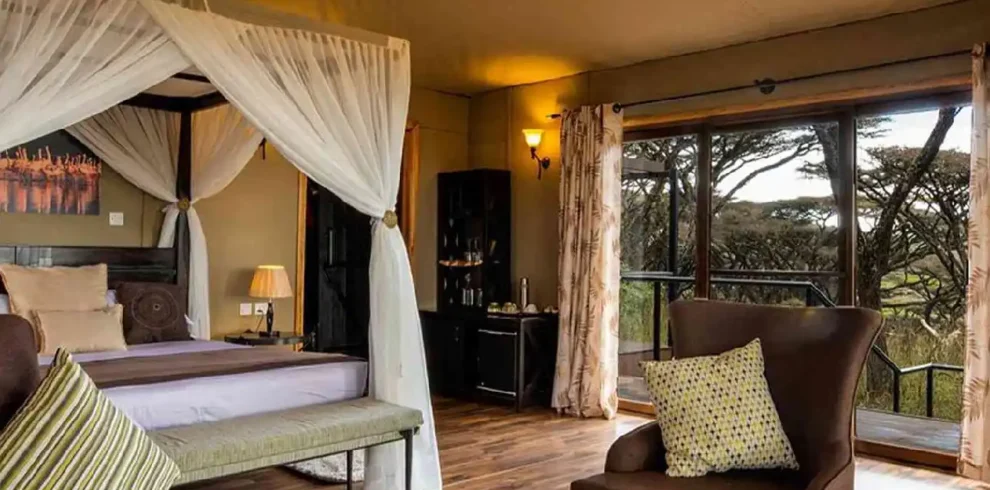
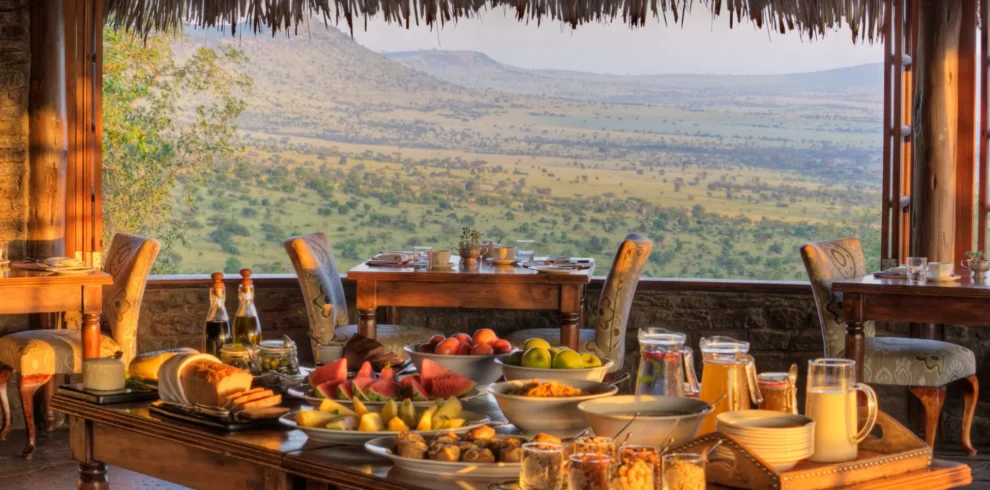
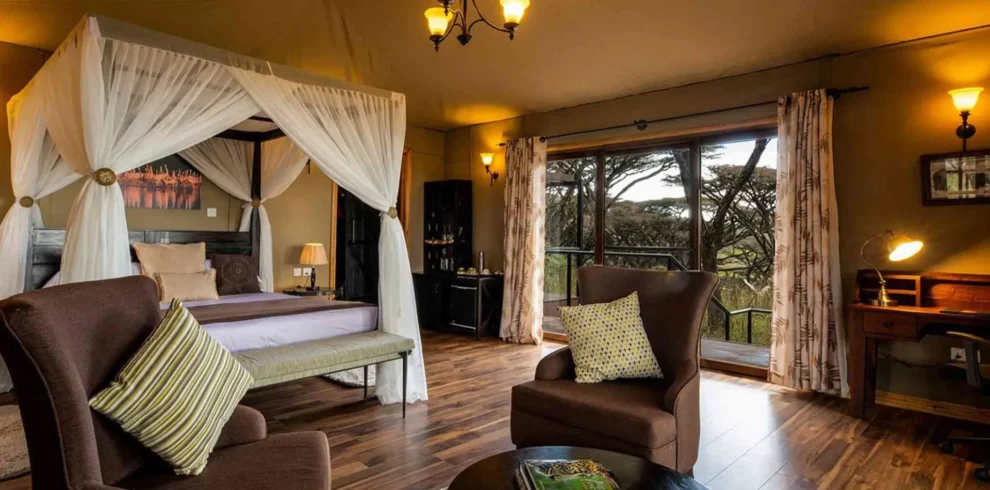
Finally, this safari combines convenience, comfort, and excitement, delivering a condensed yet comprehensive wildlife experience. Throughout the journey, stay in comfortable lodges or camps, savor local meals, and enjoy scenic views that stretch to the horizon. Moreover, this brief but action-packed safari allows travelers to create lasting memories of Tanzania’s wilderness, wildlife, and rich cultural heritage.

We bring you to the world’s best safari destination. When you book with us you get:
  • Amazing lifetime experience
  • Unlimited Safari Mileage
  • Experienced Safari Guide
  • Quality Service
From $950
/ Adult

3-Day Test of Tanzania Safari

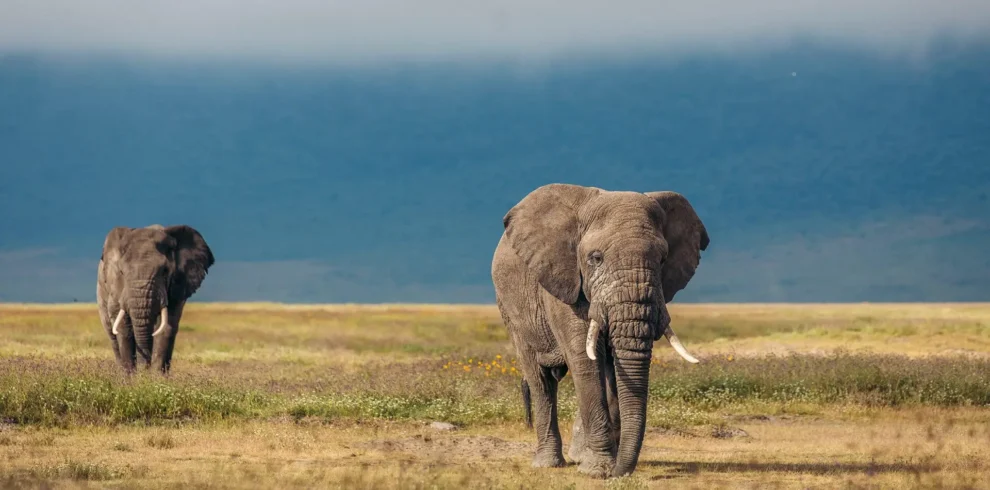
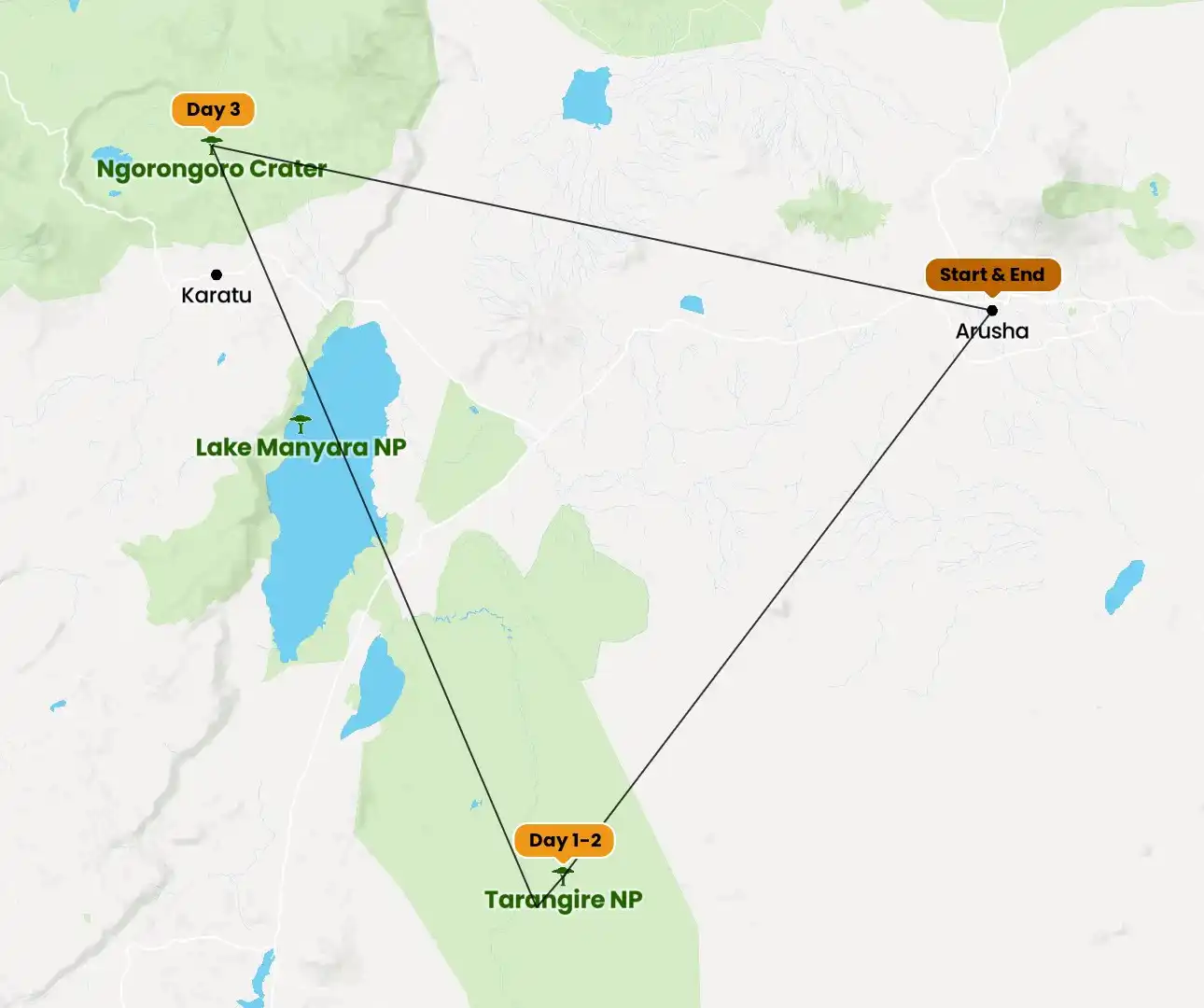
After breakfast in Arusha, depart for Tarangire National Park, located approximately 2–3 hours away. Tarangire is famous for its giant baobab trees, diverse landscapes, and some of the largest elephant herds in Tanzania.

Upon arrival, enjoy a full game drive through the park’s savannah plains and along the Tarangire River, the park’s main water source that attracts wildlife year-round.

You may spot:

  • Large elephant families
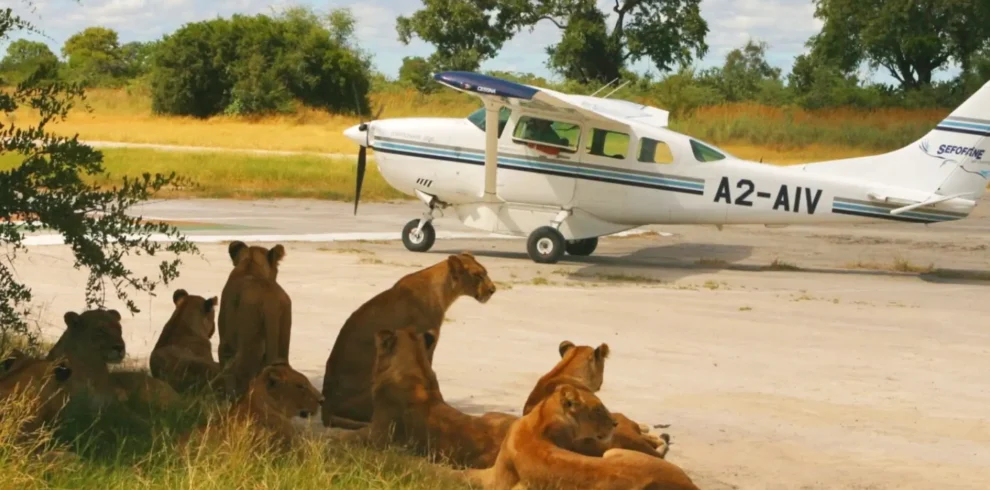
  • Lions and leopards
  • Giraffes, zebras, and wildebeests
  • Buffaloes and various antelope species
  • Over 550 species of birds

Enjoy a picnic lunch inside the park before continuing your afternoon wildlife viewing.

Overnight: Tarangire Samba Lodge
Meals: Lunch; Dinner
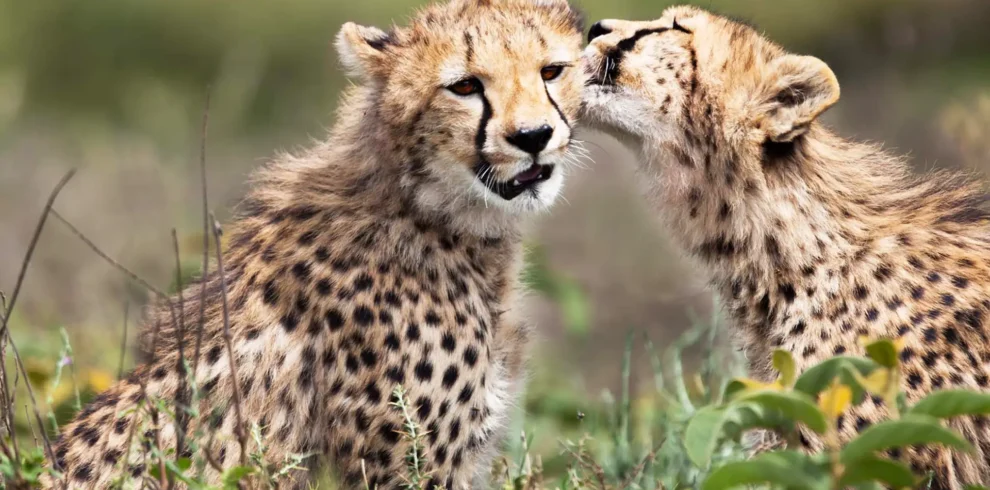
After Breakfast, proceed on a full-day safari adventure in Tarangire. Spending an additional day allows for deeper exploration of the park’s remote areas and increased chances of spotting predators such as lions, cheetahs, and elusive leopards.

During the dry season, Tarangire becomes one of Tanzania’s best wildlife viewing areas as thousands of animals gather along the river. The landscape of rolling savannah, seasonal swamps, and ancient baobab trees creates a truly scenic safari experience.

Enjoy a picnic lunch in the bush before continuing your afternoon game drive.

In the late afternoon, depart Tarangire and drive to the highland town of Karatu, located near the Ngorongoro Conservation Area.

Overnight: Karatu Simba Lodge
Meals: Breakfast; Lunch; Dinner

After an early Breakfast, drive to the Ngorongoro Conservation Area and descend 600 meters into the Ngorongoro Crater — the world’s largest intact volcanic caldera and a UNESCO World Heritage Site.

The crater floor is home to more than 25,000 animals and offers one of Africa’s highest concentrations of wildlife. This is one of the best places in Tanzania to see the endangered black rhino.

Wildlife highlights include:

  • The Big Five (lion, leopard, elephant, buffalo, rhino)
  • Hippos and flamingos near Lake Magadi
  • Hyenas and jackals
  • Large herds of wildebeests and zebras

Enjoy a scenic picnic lunch at a designated site within the crater, surrounded by breathtaking landscapes and wildlife.

In the late afternoon, ascend the crater and return to Arusha, arriving in the early evening.

Meals: Breakfast; Lunch

Itinerary Map

3-Day Test of Tanzania Safari

Booking Form

3-Day Test of Tanzania Safari

Trip Highlights

  • Explore Tarangire National Park and Ngorongoro Crater.
  • Enjoy morning and afternoon game drives daily.
  • Spot lions, elephants, giraffes, zebras, and abundant wildlife.
  • Stay in comfortable lodges or scenic campsites.

Includes

  • Pick-up at your hotel and drop off after the safari end
  • Safari SUV Land Cruiser 4×4 with pop-up roof
  • Experienced English-speaking safari guide
  • Three meals per day on safari
  • Air Ambulance Service by AMREF Flying Doctors

Excludes

  • Visa fee
  • Lunch and dinner in hotel (only before and after safari)
  • Insurance
  • Tips to your safari guide.

FAQs

What is the best time to go on a safari in Tanzania?

The best time for a Tanzania safari is during the dry season from June to October. This is when wildlife congregates around waterholes, making it easier to spot animals. However, if you’re interested in the Great Migration, the best months vary:

  • June to July for the Grumeti River crossing in the Western Serengeti.
  • August to October for the Mara River crossing in Northern Serengeti.
  • January to February for calving season in Southern Serengeti.

What animals will I see on a Tanzania safari?

Tanzania is home to a wide variety of wildlife, including the Big Five (lion, leopard, elephant, buffalo, and rhino). Other animals you’ll likely encounter include:

  • Giraffes
  • Zebras
  • Wildebeests
  • Hippos
  • Crocodiles
  • Hyenas
  • A variety of bird species You might also witness the Great Migration of over a million wildebeests and zebras in the Serengeti.

Do I need a visa to travel to Tanzania for a safari?

Yes, most travelers will need a visa to enter Tanzania. You can obtain a Tanzania visa either on arrival or apply for an eVisa online in advance. The process is generally straightforward. The visa is typically valid for 90 days for tourism purposes.

What vaccinations or health precautions should I take?

Before traveling to Tanzania, consult your doctor for personalized advice, but the common recommended vaccinations include:

  • Yellow fever (mandatory if traveling from a country with yellow fever risk)
  • Hepatitis A and B
  • Typhoid
  • Tetanus
  • Malaria prophylaxis (Tanzania is a malaria-prone area, so taking preventive medication is essential). Make sure to carry insect repellent, and long-sleeved clothing to avoid mosquito bites.

Is Tanzania safe for safari travel?

Yes, Tanzania is generally safe for tourists, especially within the national parks and reserves. The safari lodges and camps have security measures in place, and your guides will provide instructions on how to safely interact with the environment. Be mindful of common travel precautions:

  • Keep valuables secure.
  • Avoid traveling at night in unfamiliar places.
  • Follow the advice of your guide regarding wildlife encounters.

What should I pack for a Tanzania safari?

Essential items for a safari include:

  • Neutral-colored clothing (beige, khaki) for game drives.
  • Sturdy walking shoes or boots.
  • A hat and sunglasses for sun protection.
  • Sunscreen and insect repellent.
  • Binoculars and camera for wildlife viewing.
  • Light jacket for cool mornings and evenings.
  • A power bank to charge your electronics, especially in remote areas.

Can I bring children on a safari?

Yes, many safari operators welcome families and have special packages for children. Some lodges offer child-friendly activities and shorter game drives to accommodate younger travelers. However, it’s advisable to check age restrictions with the tour operator, as certain camps may not accept very young children for safety reasons.

What types of safaris are available in Tanzania?

There are several types of safari experiences in Tanzania:

  • Game drives (the most common)
  • Walking safaris (guided nature walks)
  • Hot air balloon safaris (for a bird’s eye view)
  • Boat safaris (in water-rich areas like Selous Game Reserve)
  • Cultural safaris (visit local tribes like the Maasai) Each offers a unique perspective on the wildlife and environment.

How many days do I need for a Tanzania safari?

The ideal safari duration depends on your preferences and budget. A typical safari lasts 5-7 days, allowing enough time to explore multiple national parks like the Serengeti, Ngorongoro Crater, and Tarangire. Shorter 2-3 day safaris are possible but may limit the diversity of experiences.

What is included in a Tanzania safari package?

A standard safari package typically includes:

  • Accommodation (lodges or camps)
  • Meals (full-board or half-board)
  • Transport (4×4 safari vehicle)
  • Guided game drives
  • Park entrance fees Additional costs may include tips for guides, drinks, and optional excursions (e.g., hot air balloon rides).

What is the food like on a safari in Tanzania?

Most safari lodges and camps provide excellent meals, often served buffet-style. The food typically includes a mix of local Tanzanian dishes and international cuisine. Special dietary requirements (e.g., vegetarian, gluten-free) can usually be accommodated, but it’s best to inform your operator in advance.

Will I have access to Wi-Fi on safari?

Many lodges and camps offer Wi-Fi, but the connection can be slow and unreliable, especially in more remote areas. If staying in luxury accommodations, you’re more likely to have consistent access. However, you may want to prepare for limited internet access during your safari.